



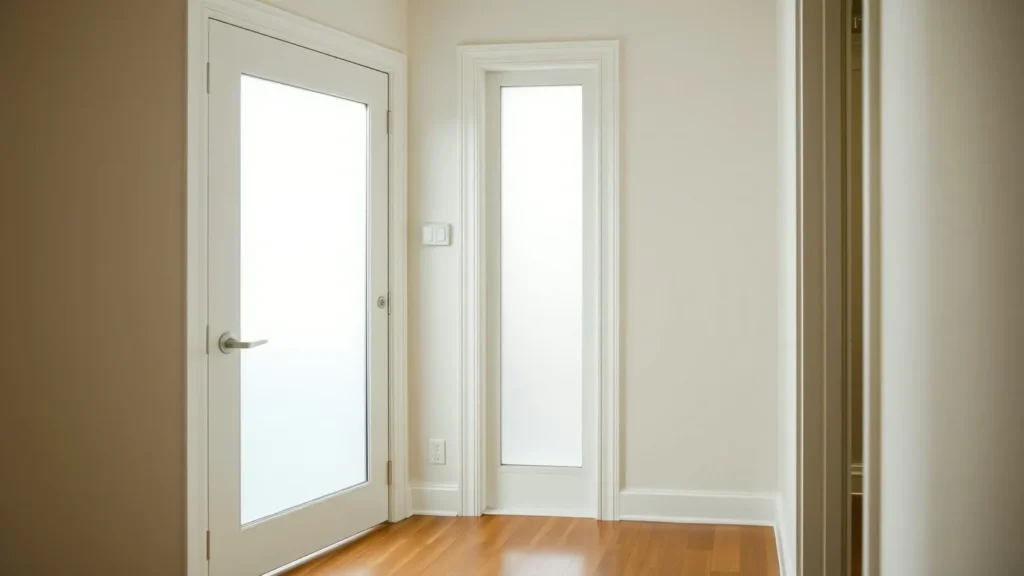
Almost every home has at least one spot where you want light but not an audience. A bathroom window that faces the neighbour’s side path. A front door with a glass panel at eye height. A laundry beside the street. A home office in a room with a window onto a busy footpath. The usual answer is some kind of privacy glass, and the usual first word people reach for is “frosted”.
That one word covers a lot of ground. Frosted, obscure, etched, satin, patterned, reeded and tinted all get used as if they meant the same thing, and they do not. They look different, they behave differently in daylight and at night, they clean differently, and they suit different jobs. This guide sets out the options in order, explains how to choose between them, and gives you the questions that make a conversation with a glazier quick and clear.
A note on who is writing. Economy Glass is a family glazing business in Hoppers Crossing, serving Melbourne’s west with over 45 years of experience. We replace glass in windows and doors, cut glass to size, and make mirrors, shower screens and splashbacks. This guide is general information about privacy glass, written to help you decide. Where something depends on your opening or on stock, we say so rather than promise it.
What people mean by frosted glass
In everyday talk, frosted glass means glass with a surface that scatters light. You can see that something is on the other side, but not what it is. Shapes become soft blurs. Colours become a wash. Anyone standing at the window sees a pale, glowing pane rather than a clear view.
The effect comes from the surface. Clear glass is smooth, so light passes straight through and you see sharply. Frosted glass has a finely roughened or treated surface, so light is scattered as it passes through. The more the surface scatters, the less detail comes through.
That is the idea behind almost every privacy glass. The differences lie in how the surface is made, how strongly it scatters light, how even the effect looks, and how the glass behaves over time.
The main kinds of privacy glass
Names vary between suppliers, which is one reason quotes can be confusing. These are the groups worth knowing.
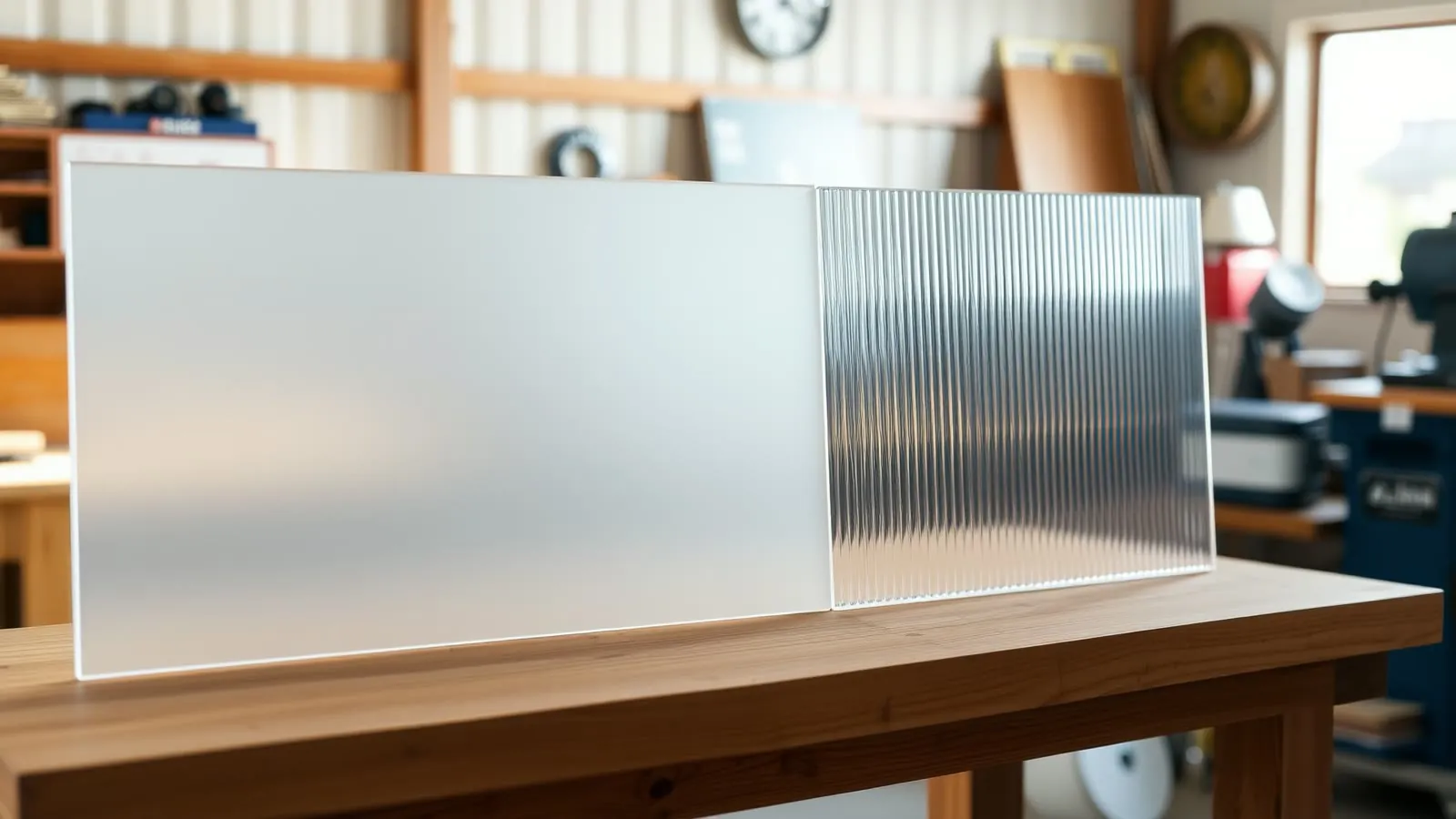
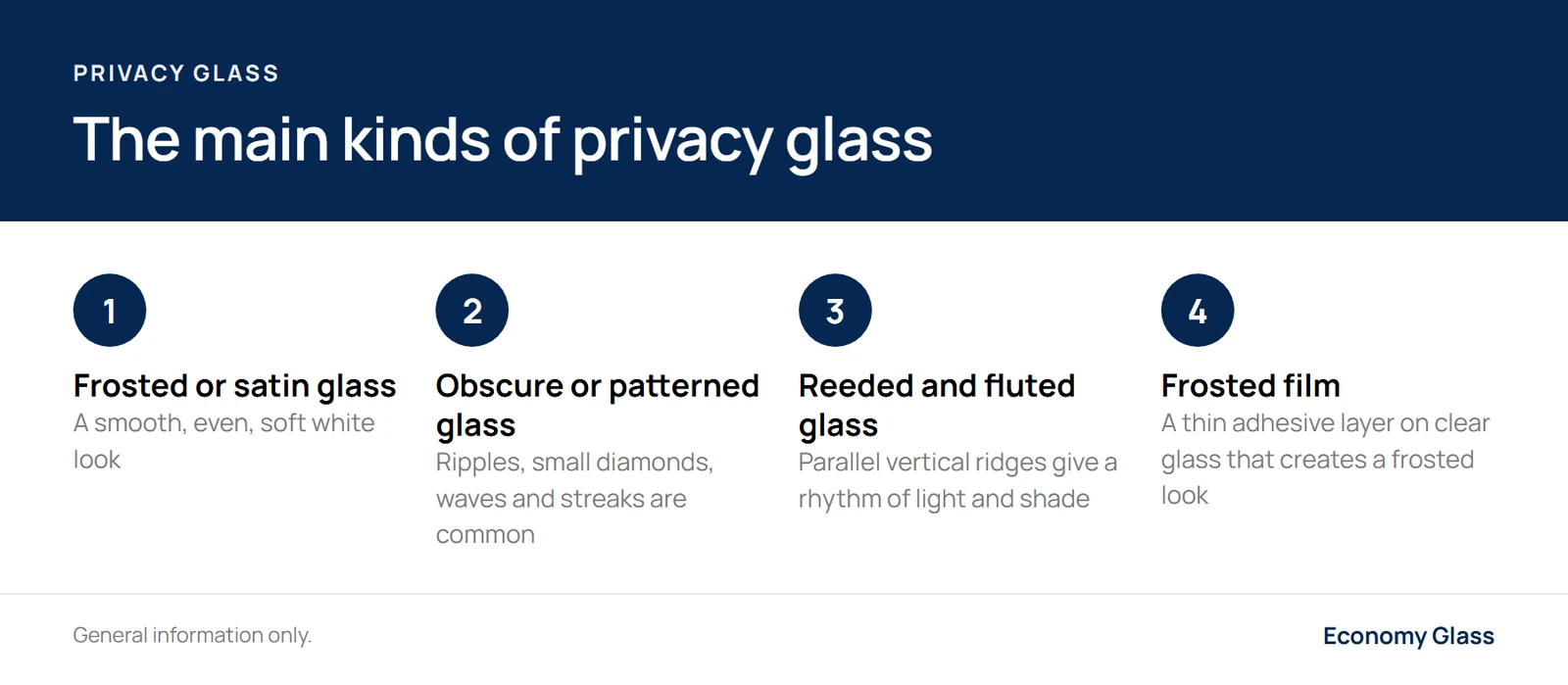
Frosted or satin glass. A smooth, even, soft white look, a bit like a pane that has been breathed on. The surface is finely treated, and it reads as a clean, modern finish. It is the style most people picture when they say “frosted glass”. Good frosted glass looks consistent across the whole pane.
Acid etched glass. This is made by treating the surface with acid to roughen it. The finish is uniform and smooth to the touch. Many people use “etched” and “frosted” to mean the same thing, and in practice the two overlap a great deal.
Sandblasted glass. The surface is roughened with fine abrasive. It can be applied across the whole pane or as a pattern or border, and it has a slightly more textured feel. Edges and patterns can be crisp, which suits decorative panels.
Obscure or patterned glass. Instead of treating a flat surface, the glass is made with a texture or pattern pressed into it. Ripples, small diamonds, waves and streaks are common. The pattern bends light unevenly, so you can see colour and movement but not clear shapes. Some patterns hide more than others.
Reeded and fluted glass. Parallel vertical ridges give a rhythm of light and shade, and a view that is softened and stretched sideways. This look has become popular for interiors, cabinets and room dividers. It is more of a style statement than a full privacy solution, and how much it hides depends on the depth of the ribs and how far a person is from the glass. We cover this look in detail in our guide to fluted and reeded glass.
Tinted glass. Tinting changes the colour and brightness of the pane but does not by itself stop people seeing through it. It reduces glare and can offer some daytime privacy because it is harder to see into a bright room from outside, but the effect reverses at night when lights are on inside.
Frosted film. A thin adhesive layer on clear glass that creates a frosted look. This is a different product from frosted glass, and it comes with its own trade-offs. A short summary appears later in this guide, and the full comparison is in frosted film versus frosted glass.
How much privacy do you actually get
Privacy is not an on or off setting. It sits on a scale, and where a pane falls on that scale depends on three things.
How strongly the glass scatters light. A heavily frosted pane shows almost nothing. A lightly patterned one still lets people see movement. Look at samples rather than relying on a name.
Which way the light is coming from. Privacy changes through the day. In daylight, with a bright outside, a person looking in sees a pale pane. At night, with lights on inside, you become a silhouette against the glass, and that silhouette can be more revealing than people expect. Heavier frosting and good blinds or curtains solve this.
How close you are to the glass. Many privacy glasses hide detail much better when the viewer is a few metres away than when they are right beside the pane. Something pressed against the glass becomes clearer. A person standing at a front door panel will make out more than a person across the street.
The takeaway is simple. Decide what you are protecting against. If it is a passer-by glancing in, a lighter pattern may be enough. If it is a bathroom window overlooked at close range, you will want a stronger finish.
Where privacy glass makes the most sense
Think room by room.
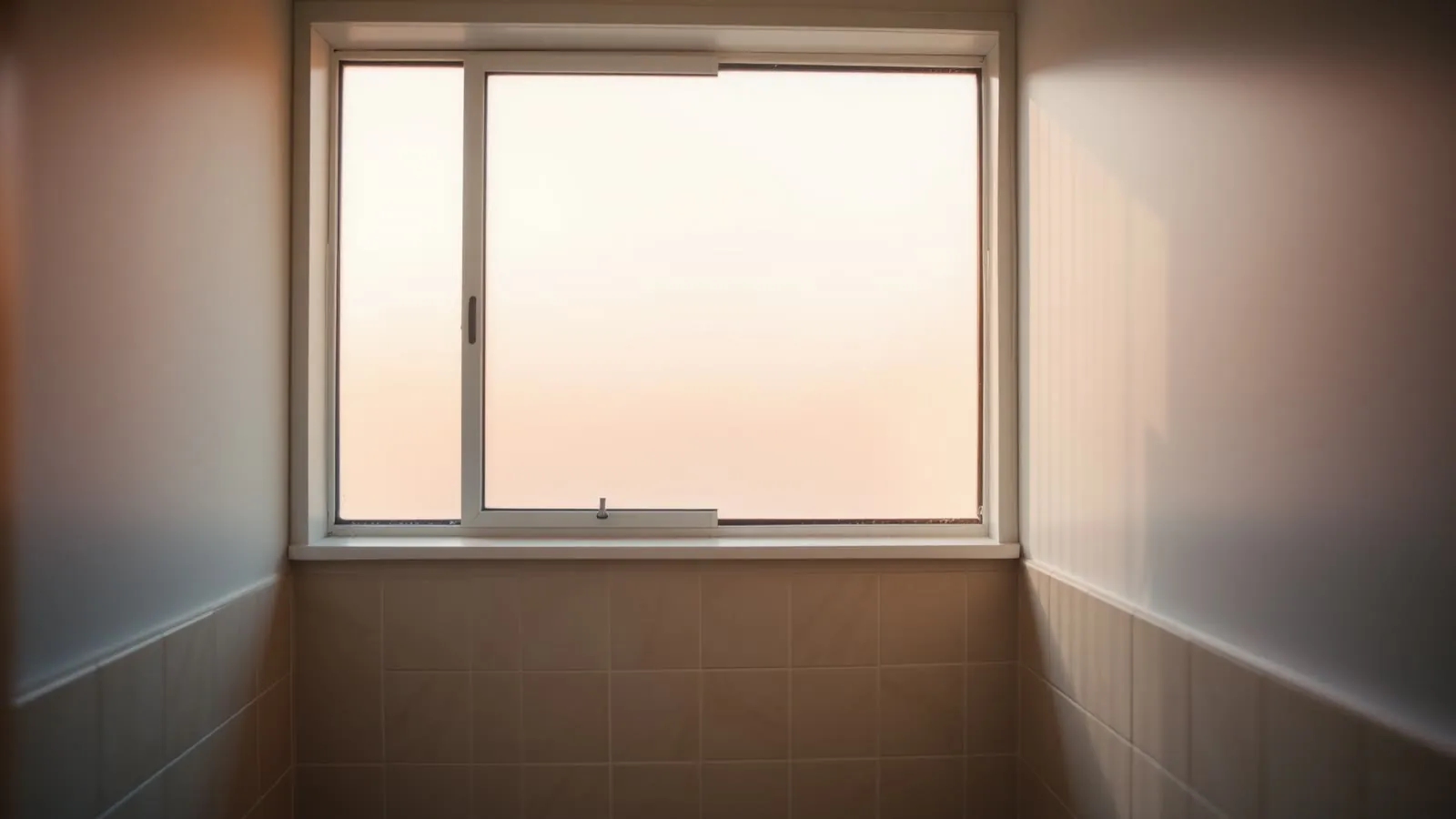
Bathrooms and ensuites. The classic case. A bathroom window usually faces a side path, a neighbour or a street. A strongly frosted or patterned pane keeps light and fresh air (if the window opens) while keeping the room private. For this room there is a separate guide: frosted glass for bathroom windows.
Front doors and sidelights. Glass beside or in a front door brings light into a hallway, but a clear pane lets visitors and passers-by see straight in. Frosted or patterned glass keeps the light and hides the detail. Glass at door height is a safety question as well as a privacy one, so the safety glass rules matter here. Our safety glass guide for Melbourne homes covers what applies.
Laundries and toilets. Small windows, often facing the street or a neighbour. A frosted pane is a simple fix.
Bedrooms facing the street. Privacy is a priority, but blinds and curtains are usually part of the answer. Frosted glass in the lower sash or panel can help while leaving the upper part clear.
Home offices and meeting rooms. Glass partitions can be frosted for privacy while still letting daylight through. In offices, a frosted band at seated and standing eye height is a common compromise. For larger partitions see our page on glass partition walls and our guide to glass partitions for Melbourne offices.
Shower screens. Privacy glass in a shower is a separate question from a window. Some people want a fully clear screen. Others prefer a frosted or patterned panel to hide the shower area from the rest of the room. Our shower screens page sets out the types we work with, and any privacy finish is a matter to raise when you ask.
Splashbacks and furniture. Frosted glass is also used in kitchen splashbacks and tabletops, where the aim is a soft, easily wiped surface rather than privacy. We have a separate guide on frosted glass splashbacks for that use.
Frosted glass or frosted film
This is the question we hear most, so here is a short version. Our guide to frosted film versus frosted glass has the full comparison.
A frosted look can come from the glass itself, or from a film applied to clear glass. They are different things.
- Frosted glass has the effect built in. It stays as long as the glass does. There is no edge to lift, nothing to peel, and nothing to replace.
- Film is a thin sheet stuck to a clear pane. It is a quick, usually less expensive route to privacy, but the look and life of the film depend on the product and on how it is applied. Edges can lift, and the film may mark when cleaned with the wrong cloth or cleaner.
If your existing glass is sound and you want a fast, reversible change, film can be a reasonable choice. If you are replacing a pane anyway, because it is cracked, misted or being changed for another reason, choosing a privacy glass at the same time is often the neater result. Either way, ask what you are actually getting.
Laminated or toughened privacy glass, and why it matters
Privacy glass is a look. Safety glass is a construction. The two are not the same, and a frosted pane can be made in different constructions.
Toughened glass is heated and rapidly cooled, which makes it much stronger than ordinary float glass and causes it to break into small pieces. Laminated glass has a plastic layer between two sheets, which holds the pane together if it cracks. Both can be made with a frosted or patterned finish, depending on the product and the supplier.
For glass in doors, beside doors and low in windows, the rules about safety glass apply whatever the surface looks like. You do not need to memorise them. The guide to safety glass rules for homes explains what applies, and your glazier can confirm for your opening. The comparison of toughened and laminated glass shows how each behaves.
Our page on safety glass lists the options we work with. One practical point is worth knowing: toughened glass cannot be cut or drilled after it is made, so sizes must be right before it is ordered.
Light, glare and heat
One of the best things about privacy glass is that it keeps most of the light. A frosted pane does not turn a room dim. Daylight comes through softly and spreads, and many people find the light in a frosted-glass bathroom or hallway calmer than it was with clear glass.
A few notes:
- Glare. Scattering light reduces harsh patches. A frosted panel can make a sunny west-facing window easier to live with.
- Heat. Frosted glass is not a heat solution. It changes how light looks, not how much heat the glass lets through. If heat is the issue, look at glass type and coatings. Our guide to low-E glass covers that side, and the types of window glass overview shows where each type fits.
- Fading. Privacy finish does not stop UV damage on its own. Laminated glass blocks a large share of UV, so it is worth asking about if you have furnishings that fade.
Cleaning and care
Frosted and patterned glass is easy to live with, but a few habits help.
- Use a soft cloth and a mild glass cleaner. Avoid abrasive pads, which can mark a treated surface.
- Wipe in the direction of any pattern or ribs. It lifts dirt out of the texture.
- Deal with soap residue. In bathrooms, soap and hard water leave a film that shows more on some finishes. Rinse and dry the glass after cleaning.
- Test the cleaner on a corner first. A strong cleaner can behave differently on a treated surface than on clear glass.
- Handle fingerprints early. Some satin finishes show oils from fingers more than clear glass does. A quick wipe prevents a build-up.
Our guide to cleaning new glass products goes into this in more detail.
Questions to ask a glazier
Whoever you speak to, these questions make the conversation easier and the quote more useful.
- What exactly is the finish called, and can I see a sample? Names vary. A sample in your own light is the best test.
- Is it a surface treatment or a pattern in the glass? This affects how it looks and how it cleans.
- Which side of the glass faces the room? Some finishes are best on one side. Bathrooms often put the treated side towards the room to make cleaning easier.
- Does this opening need safety glass? If it is a door, sidelight or a low window, ask. Our safety glass guide above explains why.
- Is the glass being cut to size, or made to size? Toughened glass is made to measure. Float glass can be cut. This affects timing.
- How long will it take? Lead times vary by glass type and by stock. Our guide on glass lead times explains what influences them.
- What is the frame like? The bead, putty or seal around the pane matters for the finished result.
- What happens at night? Ask how much a person outside can see with the lights on inside, and whether you will want a blind as well.
Planning around the frame
New glass sits in an existing frame, so the frame sets limits. Before you order, check:
- Timber frames. Look for soft spots, flaking paint and loose beads. A sound frame holds new glass well.
- Aluminium frames. Check the seals and the beads. The glass must fit snugly.
- Weight. Thicker or laminated glass is heavier than a single float pane, so it needs a solid frame.
- Opening style. Louvres, sashes and awning windows each have their own glass details.
Economy Glass replaces window glass in timber and aluminium frames, and in doors, sidelights and shopfronts. Many standard windows are replaced within the day. If the existing pane is damaged, our glass repairs service covers windows, doors, mirrors and shower screens, with an emergency service available.
Privacy glass and noise
People sometimes ask whether frosted glass also quietens a room. A frosted surface, on its own, does not change how sound passes through a pane. Noise reduction comes from the construction of the glass, such as laminated glass, and from sealed double glazed units. If noise is part of what you want to fix, our guide to sound proof windows explains the options. It is possible to choose a privacy finish and a quieter construction together, and your glazier can advise on what suits your opening.
Common mistakes
A few mistakes come up often enough to be worth naming.
Choosing from a name rather than a sample. The same word can describe two quite different finishes. See the glass in your own light.
Forgetting the night view. A bathroom that looks private at noon can feel exposed at night. Check with a blind, or choose a heavier finish.
Treating tint as privacy. Tinted glass reduces glare and brightness. It does not stop people seeing in when it is dark outside and bright inside.
Overlooking safety rules. Door and low-level glass must meet safety rules whatever the surface looks like.
Ordering before measuring twice. Toughened glass is made to measure and cannot be altered afterwards. Check the sizes with your glazier before anything is made.
Ignoring the frame. New glass in a tired frame is a short-lived fix. Sort out loose beads and worn seals at the same time.
Skipping the cleaning plan. Some textures hold dirt. If the window is in a wet area, choose a finish you are happy to wipe regularly.
Style choices that work
Beyond function, privacy glass is a design choice, and the right pane should suit the house as well as the view. A few ideas that tend to look good:
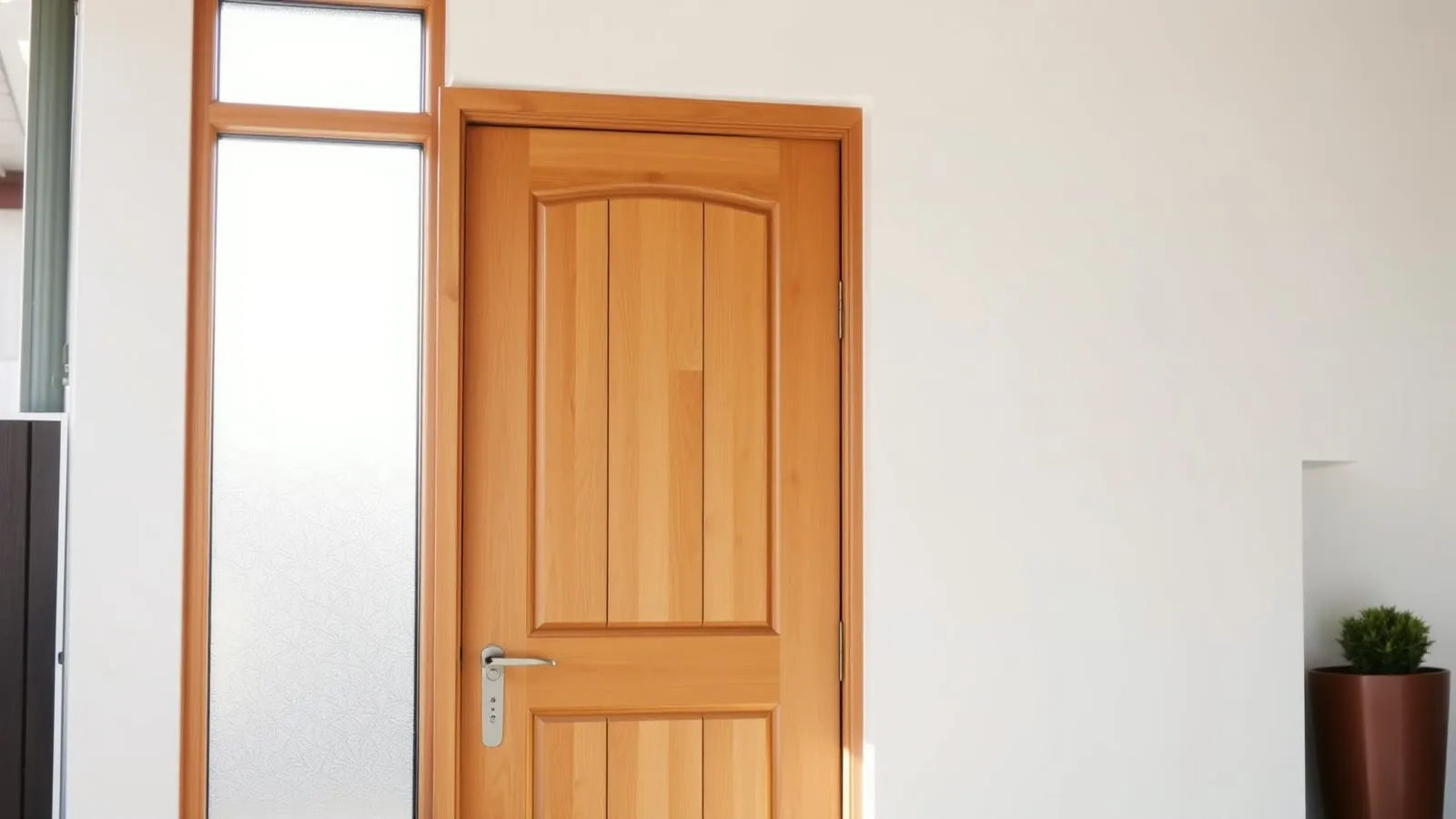
- A frosted band. Clear glass above and below, with a frosted section at eye height. Common in offices and hallways.
- Frosted panels in a door. Light flows in but the view is soft.
- Patterned glass in a period home. Traditional patterns sit well in older houses and match original details.
- A reeded feature. A single reeded panel can add texture to a modern interior.
- Consistent finishes. If several windows in one room need privacy, use the same glass for all of them. A mixed look is easy to notice.
What Economy Glass can help with
To keep expectations clear, here is how we fit into this picture.
- We replace window glass in timber and aluminium frames, and glass in doors, sidelights and shopfronts.
- We cut glass to size, including frosted glass for tabletops and splashbacks, and toughened or laminated glass cut to size. The glass cut to size page has the details.
- We make mirrors, shower screens and glass for other household jobs.
- We serve Melbourne’s western suburbs from Hoppers Crossing.
For a specific window or door, send a photo and a few rough measurements and tell us what you are hoping to achieve. We will explain what we can supply and install for that opening, and if a particular finish is not something we offer, we will say so.
A short checklist before you decide
- List the openings that need privacy and rank them by how exposed they are.
- Decide how strong the effect needs to be, in the day and at night.
- Check whether any of the glass is in a door, beside a door or low in a window.
- Look at samples in your own light.
- Check the frame is sound.
- Ask about timing and, for toughened glass, confirm the sizes.
- Decide whether you are happy with the cleaning needs of the finish.
Frequently asked questions
What is frosted glass?
Glass with a treated surface that scatters light. It lets light in but hides detail, so you cannot see clearly through it.
Is frosted glass the same as obscure glass?
The terms overlap. Frosted usually describes a smooth, even, treated surface. Obscure usually describes glass with a pattern or texture made into it. Both hide detail, and the look is different.
Which privacy glass hides the most?
Heavily frosted or strongly textured glass hides the most. Lightly patterned and reeded glass hides less. The best way to judge is to look at a sample in your own light.
Can people see through frosted glass at night?
Not clearly, but when lights are on inside, a person can become a silhouette against the pane. A blind or curtain removes the issue.
Does frosted glass block light?
No. It lets most light through and spreads it softly. Rooms stay bright.
Does frosted glass need safety glass in a door?
Glass in and beside doors, and low in windows, generally needs to be safety glass whatever its finish. Check the details in our safety glass guide and confirm with your glazier.
Is frosted glass easy to clean?
Yes, with a soft cloth and a mild cleaner. Rinse soap residue in wet areas, and avoid abrasive pads.
Is frosted film as good as frosted glass?
They do different jobs. Film is a quick, reversible option on sound glass. Glass has the effect built in. The detailed comparison is in our film guide.
Can I replace just one pane with frosted glass?
Yes, in many windows, provided the frame suits it. Send a photo, rough measurements and the finish you have in mind, and we will tell you what we can supply for that window.
Does frosted glass reduce noise?
Not on its own. Noise reduction comes from laminated glass and sealed units, which we explain in our sound proofing guide.
A calm next step
If you have a window or door that needs more privacy, you are welcome to describe it on our request a quote page. A photo, the rough size and a note about what you want to achieve are enough to start. There is no pressure, and we will tell you plainly what is possible.