



Toughened glass and laminated glass are both Grade A safety glass, and both stop a broken pane turning into long, sharp shards. Toughened glass is heat-treated so it is much harder to break and, when it does go, it crumbles into small blunt pieces. Laminated glass is two panes bonded to a clear interlayer, so it cracks but stays in one sheet. A shower screen, a splashback or a table top is nearly always toughened. A skylight, a frameless balustrade or a window you want to stay weather-tight after a break is where laminated earns its place.
In Melbourne’s west the question usually comes up during a repair or a bathroom renovation, when a glazier explains that the old pane was ordinary annealed glass and the replacement has to be safety glass. Our 2026 guide to safety glass in Melbourne homes explains where those rules apply. This article covers how each is made, how each breaks, and where each belongs.
Why both count as Grade A safety glass
AS 1288, the Australian Standard for selecting and installing glass in buildings, is the document a glazier works to, and compliance is required under the National Construction Code. Its Section 5 covers human impact: the places where a person can walk, fall or run into glass. In those areas, which include doors, the sidelights beside doors, bathrooms and shower screens, and low-level glazing, the standard requires Grade A safety glass. Toughened and laminated both meet that grade when made and marked to the standard, so the rule does not choose between them. It rules out ordinary glass. Viridian Glass, in its 2026 breakdown of AS 1288 for glaziers, lists annealed glass used where toughened or laminated is required as one of the most common non-compliances, and across Hoppers Crossing, Werribee and Point Cook it is the one we find most often.
What is toughened glass and how does it break?
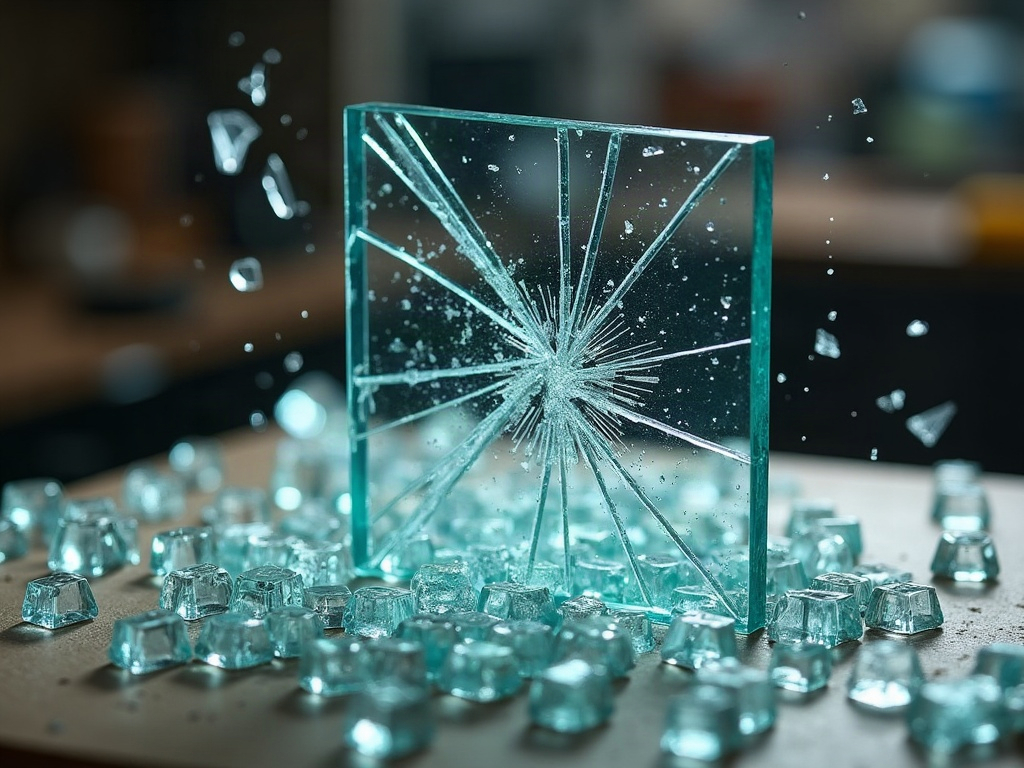
Toughened glass, sold as tempered glass in American product listings, starts as a normal sheet of float glass. It is cut to size, edged and drilled, then heated in a furnace until it is close to softening and cooled quickly with jets of air. The surfaces harden first, and as the centre cools and shrinks it pulls them into compression. That locked-in stress makes toughened glass far stronger than the annealed sheet it came from, and it is also why it breaks the way it does.
When a toughened pane fails, the stored energy releases through the whole sheet at once and it breaks into small, roughly cube-shaped pieces with dull edges. There are no long shards. Two things follow. It cannot be cut, drilled or edged after treatment, because breaking the surface shatters the pane, so every hinge hole and notch is made first. And once it has broken it is gone: nothing is left in the opening.
What is laminated glass and how does it break?
Laminated glass is a sandwich: two sheets of glass bonded to a clear plastic interlayer under heat and pressure, so the finished pane looks like a single sheet with a faint line along the edge. The glass on either side can be annealed or toughened, depending on the job.
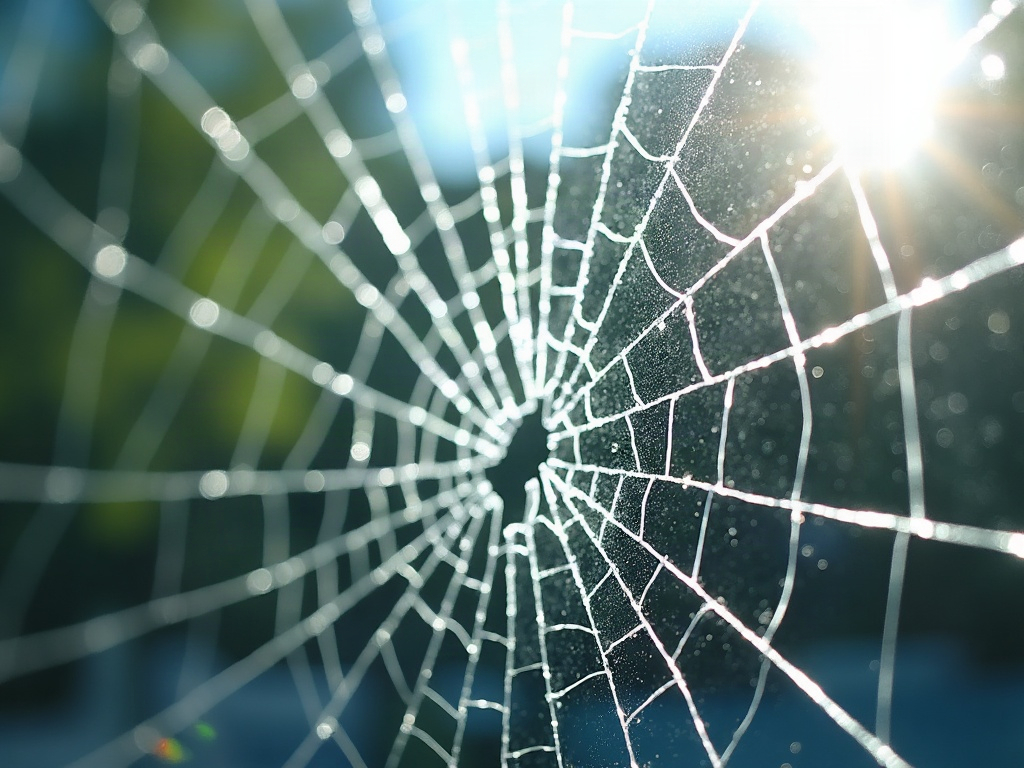
Hit hard enough, the outer sheet cracks in a spider-web pattern, but the pieces stay stuck to the interlayer. The pane needs replacing, but it is still in the opening: it still keeps the rain out, still stops a hand or a body going through, and still holds its shape in a balustrade until the glazier arrives. Laminated with annealed skins can also be cut in the workshop, and the interlayer softens ultraviolet light and outside noise.
Where toughened glass is the better choice
Toughened is the everyday safety glass in a home, and for most human-impact areas it is the glazier’s first choice.
- Shower screens. Frameless and semi-frameless screens are toughened without exception, because a wet bathroom is exactly where a person can slip against glass.
- Glass splashbacks. The glass behind a cooktop needs to handle heat as well as knocks, and toughening gives it both.
- Table tops. A glass table top, whether the whole top or a protector over timber, is toughened so a dropped pot does not end in shards.
- Doors and the sidelights beside them, where the standard is explicit and the glass gets bumped every day.
- Pool fencing. Glass pool fences are toughened panels built to take weather and leaning; semi-frameless is our standard fit.
The one thing toughened does not do is stay in place after it breaks. Where that matters, laminated comes into the conversation.
Where laminated glass is the better choice
Laminated earns its place wherever a broken pane falling out would be worse than a broken pane staying put. Overhead glazing is the clearest case: skylights, glass roofs and canopies. AS 1288 covers overhead glazing, and a glazier fits laminated there because a cracked panel above a walkway needs to hang together until it is replaced.
Balustrades are the other big one. Where the glass itself keeps people from falling, a balcony or stair with no continuous handrail for example, a laminated or toughened laminated panel still stands after a break. Our glass balustrades are specified panel by panel for that reason: one with posts and a top rail may use toughened, while a frameless one usually calls for laminated.
Windows you want to stay weather-tight are the third: a laminated pane in a ground-floor window keeps the weather out after a break.
How to read the stamp on your glass
Every pane of safety glass carries a permanent mark, usually in one corner, that identifies it. Look along the bottom corners of the pane. The mark typically names the manufacturer, the standard the glass was made to, and whether it is toughened or laminated. If the corner is blank, treat the pane as annealed until a glazier tells you otherwise. Two other clues: laminated glass shows a thin line through its edge where the interlayer sits, and toughened sometimes shows faint dark bands through polarised sunglasses. Checking the stamp is safe to do yourself. Cutting, drilling or removing a pane is not.
When a glazier makes the call
Most of the time a toughened vs laminated glass decision is settled by where the glass is going, and the standard does the deciding. The edge cases need a glazier’s judgement: a large panel where wind load and human impact give different answers (AS 1288 says the thicker or stronger result applies), a frameless balustrade or pool fence where the fixings decide the glass type, or an older window with an odd shape. There we look at the opening, fixings and exposure before we quote, and tell you which glass we are specifying and why.
That is where Economy Glass comes in. Economy Glass supplies and installs toughened and laminated safety glass across Melbourne’s west and beyond from our Hoppers Crossing workshop, with 45 years in the glass trade and glass cut and finished to Australian Standards. Call (03) 9360 9900, Monday to Friday 8am to 4pm, or request a quote online.
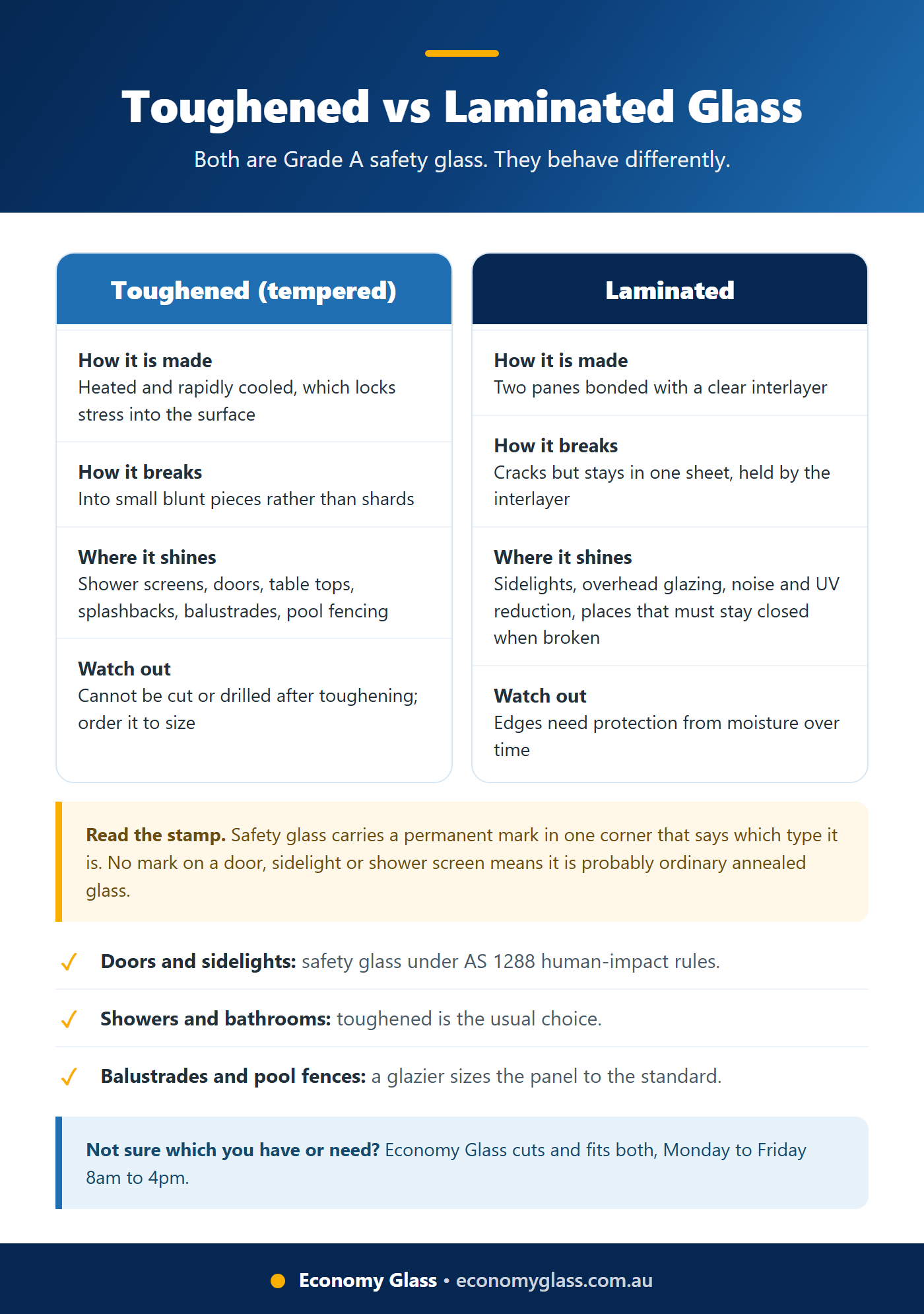
Toughened vs Laminated Glass: the quick version
Save or print this checklist before you call.
Frequently asked questions
Is tempered glass the same as toughened glass?
Which is stronger, toughened or laminated glass?
Can toughened glass be cut to size?
How do I know if my existing glass is safety glass?
For the bigger picture, read our 2026 guide to safety glass in Melbourne homes, see our glass balustrades and glass pool fencing pages, or request a quote from Economy Glass.