



You close the window, and the truck still seems to be in the room. Maybe it is the tram bell, the neighbour’s mower, the freeway hum that gets louder after dusk, or a dog two houses down that has opinions at 6am. Most people reach for the phrase “sound proof windows” at this point, and then discover that the search results are a mix of sales pitches, half-truths and numbers nobody explains.
This guide is the calm version. It explains how noise gets into a house, what glass can and cannot do about it, how a sealed double glazed unit fits in, and how to work out what is actually causing the problem in your home before you spend anything. It is written for homeowners in Melbourne’s west and beyond, where traffic, trains, aircraft and building sites are common complaints, and where a lot of houses still have the original glass.
One honest note up front. No window makes a home silent, and the words “sound proof” promise more than any product can deliver. What you can do is cut a noticeable amount of the noise that comes through the glazing, and often the biggest gains come from the cheapest fixes. The aim of this page is to help you find those first.
How noise actually gets into your home
Sound is vibration travelling through air and through solid materials. When it meets your house, it has three main ways in.
Through gaps. Air carries sound, so any opening that lets air through lets sound through. A sash that does not quite close, worn seals around a sliding door, a gap between the frame and the wall, a letterbox flap and an old exhaust vent all count. A tiny gap can let in more noise than you would expect, because the sound does not need to push through anything.
Through the glass itself. When sound waves hit a pane, the pane vibrates and passes some of the energy to the air on the other side. A thin single pane vibrates easily. A thicker pane resists it better, which is why mass matters. Different frequencies behave differently, too. Deep traffic rumble and high pitched sounds such as voices or a siren are not blocked equally well by the same pane.
Through the frame and the wall. The frame holds the glass, and it can carry vibration into the structure. A rattling aluminium frame, a loose timber sash or a poorly sealed edge all let noise bypass the glass entirely.
This is why a “quiet window” is really a system. The glass, the way it is held, the seals and the frame work together, and the weakest of them sets the result. Buying a better pane and leaving a leaky seal in place is like putting a lid on a pot that has a hole in the side.
Start with a ten minute noise check
Before you think about glass, spend ten minutes finding the real path the noise takes. You need nothing but your ears and a free afternoon.
- Pick the loudest room and the loudest time. A bedroom facing the street at peak traffic, for example. Close the doors and windows.
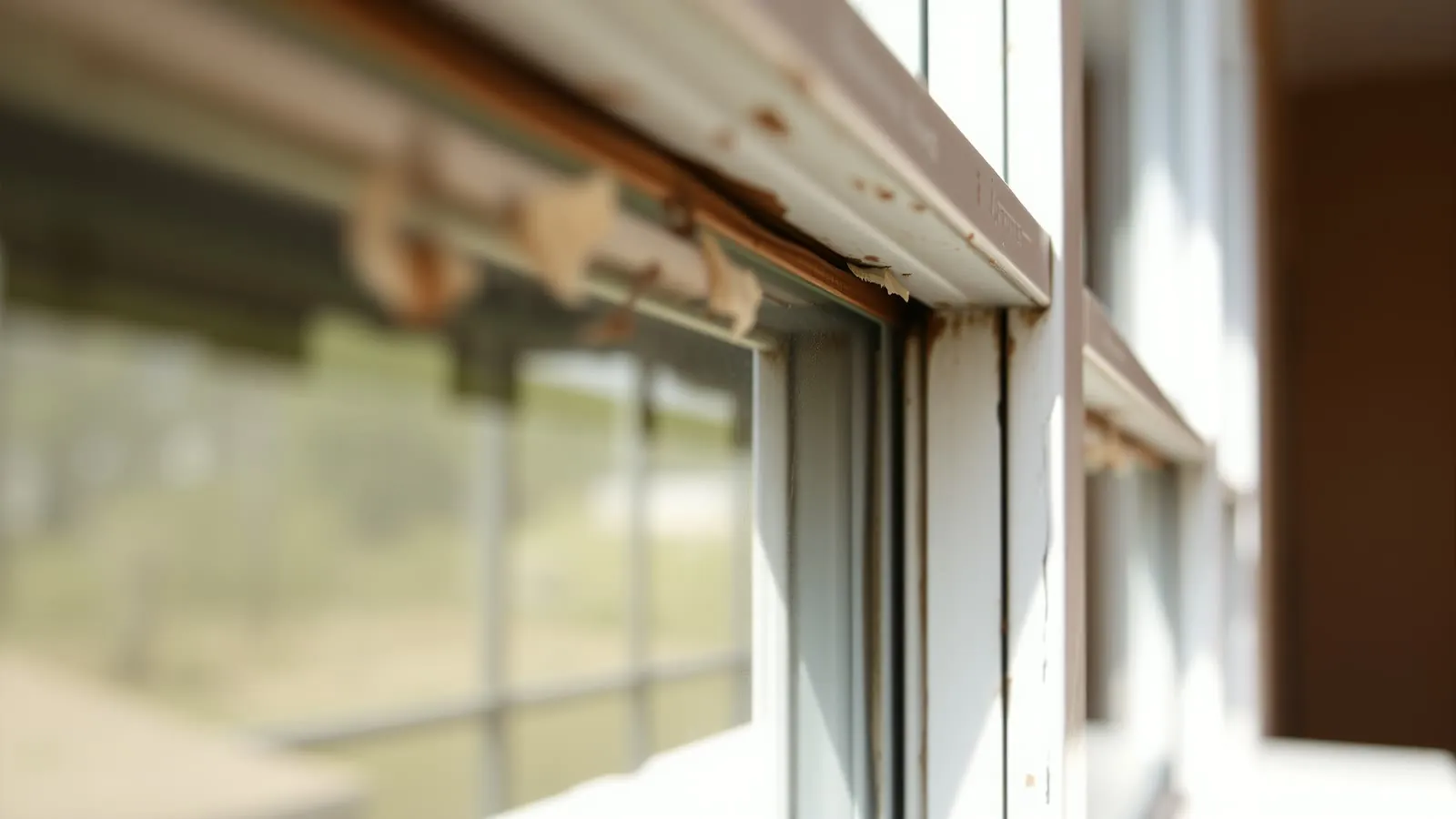
- Listen at the glass, then at the frame edges. Move slowly along the edges of the sash with your hand held an inch away. A thin stream of cool air or an obvious change in loudness points to a leak.
- Test the seals. Close a sheet of paper in the window or door and try to pull it out. If it slides out with no resistance, the seal is not gripping.
- Compare windows. If one window in the room is much louder than the others, compare the glass, the frame and the seals. A difference often explains the problem.
- Check the other routes. Vents, exhaust fans, a gap under an external door, a loose letterbox and a chimney all let sound in. They are easy to miss.
- Note the type of noise. Low rumble from heavy vehicles, mid range road noise, high pitched voices and sudden bangs are different problems and respond to different fixes.
Write a short list of what you find. It will also make any conversation with a glazier more productive, because you will be describing a specific opening and a specific noise instead of a general complaint.
The glass: why thickness, layers and cavities matter
Once the gaps are dealt with, the glass is the next link in the chain. Here is how the common options behave in a practical, everyday sense.
Single glass. One pane of float glass. It is the baseline, and it is the weakest of the options for noise because one thin layer vibrates easily.
Thicker single glass. More mass means more resistance to vibration, so a thicker pane usually performs better than a thin one. The improvement is real but limited, and it adds weight, which the frame must be able to carry.
Laminated glass. Two layers of glass bonded to a plastic interlayer. The interlayer damps vibration, so laminated glass tends to reduce a wider range of noise than plain glass of similar thickness. Economy Glass’s own safety glass information describes laminated glass as dampening exterior noise, and our guide to acoustic laminated glass explains where that effect helps most.
Sealed double glazed units. Two panes held apart by a spacer, with a sealed cavity between them. The still air or gas in the cavity acts as a buffer. Our double glazed unit replacement service describes the sealed cavity as an acoustic buffer that makes a window semi-soundproof against traffic and neighbourhood noise. That is a fair way to put it: a good sealed unit usually quietens a room, but it does not silence it. If you want to know how much and why, our guide to double glazing and noise goes through what double glazing does and does not do for noise.
Mixed thicknesses. Some units use two panes of different thickness, because a pair of identical panes can vibrate at the same frequencies and amplify one another. Using different thicknesses spreads the response and tends to work better across a wider range of sounds. If you are talking to a glazier about a unit, this is a fair question to ask.
Secondary glazing. A second pane added inside the existing window with an air gap between them. It is a different approach to a sealed unit and has its own pros and cons. It is a common option in the market, and our guide to secondary glazing versus replacing the glass compares it fairly. Ask any supplier whether they offer it before you plan around it.

What a sealed double glazed unit can and cannot do
Sealed units are the most common answer to the noise question in Australian homes, so it helps to be clear about what they offer.
What they usually do well.
- Reduce the general hum of traffic and neighbourhood noise compared with single glass.
- Help with comfort in other ways, such as less condensation on cold mornings and a more even temperature near the glass.
- Give you a window that feels more solid when you touch it.
What they do not do on their own.
- Fix a leaky frame or worn seals. If air can pass around the unit, sound can too.
- Block deep, low frequency rumble as well as they block mid range noise. Heavy trucks and trains are the hard cases.
- Turn a house with several open vents and gaps into a quiet one.
There is also a point about timing. A sealed unit works because its cavity stays sealed. Over the years a seal can fail, moisture gets between the panes, and the unit looks misted. At that point the unit has lost much of its insulating advantage, and replacing it restores it. If your windows are already double glazed and misted, you are in the situation Economy Glass deals with.
Which brings up a clear boundary on our side. Economy Glass will replace damaged, failed and misted double glazed units in existing frames. We do not install or retrofit new double glazing into windows that currently hold single glass. If you have single glazed windows and want a quieter room, the sections on seals, laminated glass and secondary options below are the useful ones, and our earlier guides on replacing existing double glazed glass and what is possible with double glazing retrofits set out the limits clearly.
Noise types and what usually helps
Not every noise is the same. Matching the fix to the problem avoids spending money on the wrong thing.
Road traffic hum. A broad band of mid and low frequency sound. Sealed double glazed units, laminated glass and good seals all help. Closing gaps and vents matters as much as the glass.
Heavy vehicles, trains and aircraft. Deep rumble is harder to stop. Mass and layered construction help most, and so does a well sealed frame. Expect improvement rather than silence.
Voices, sirens and high pitched sounds. These are easier to reduce. Laminated glass and a good seal usually make a clear difference.
Neighbours and music. A mix of frequencies, often through shared walls as well as windows. Glass helps with the part that comes through the window, but walls, ceilings and doors may be doing as much of the work.
Sudden sharp noises. A door slam or a building site bang. Layered glass and sealed units soften these, but they remain noticeable.
Rattles and buzzing. Often not an acoustic problem at all. A loose pane, a worn glazing bead or a rattling latch can sound like noise from outside. These are quick to fix and worth checking first, and a cracked or loose pane is a job for window glass repairs.
Gaps, seals and frames: the cheap wins
Because sound follows air, sealing often does more than people expect. These steps cost little and can be done in a weekend.
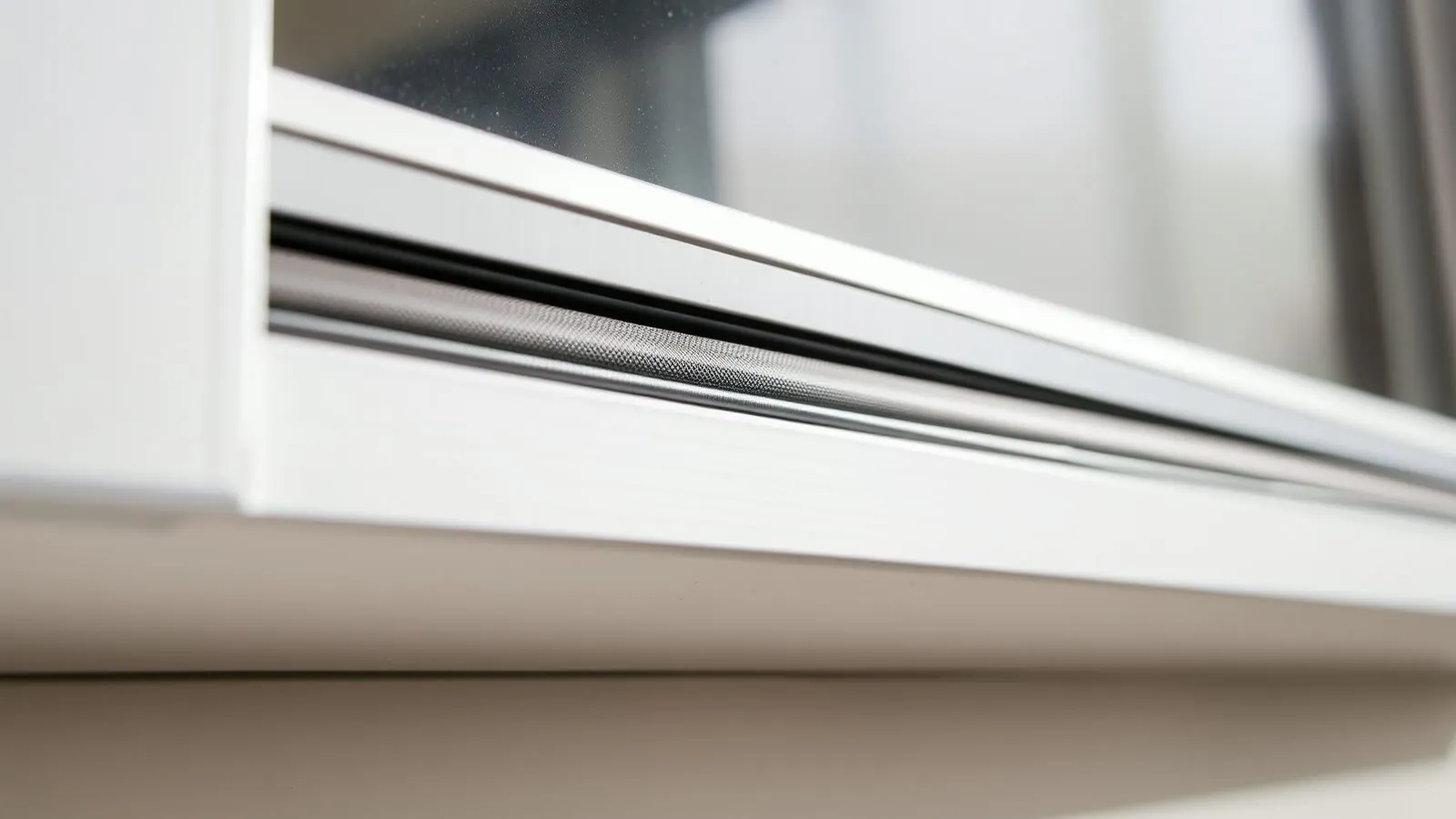
- Replace worn weather strips and brush seals around sliding doors and sashes. If the old seal has gone flat or brittle, it is no longer closing the gap.
- Check the sash locks. A lock that pulls the sash tight against its seal makes a difference. A loose or misaligned one lets the sash sit off the seal.
- Seal the perimeter gap between the frame and the wall with a suitable flexible sealant. Hairline cracks here let in a surprising amount of sound.
- Treat the vents and fans. If a bathroom fan or a wall vent faces the noisy side of the house, it is a hole in your acoustic defences.
- Look at the door. An external door with a gap at the bottom can undo the work of a good window.
- Add soft mass inside. Heavy curtains, rugs and upholstered furniture reduce echo inside the room. They do not stop noise from entering, but they make the room feel quieter.
If you work through these and the noise is still bothering you, you have a much clearer idea of how much the glass itself is contributing, and any glazing decision becomes better informed.
Choosing glass for noise: a practical guide
If the glass is the weak link, these are the questions that lead to a good decision. They apply to any glazier, not only to us.
What is the noise, and where does it come from? Tell the glazier which rooms, which windows and what kind of noise. A bedroom beside a main road is a different brief from a study overlooking a quiet street with a noisy neighbour.
What is in the opening now? Single glass, an older sealed unit, laminated glass, a thin pane in a rattling frame? Photos help. A photo of the whole window and one of the glass edge usually tell a glazier most of what they need.
What will the frame carry? Heavier glass or a thicker sealed unit needs a frame that can support it and a bead that can hold it. Ask whether the existing frame is suitable, and expect a straight answer.
Which glass will be laminated, if any? If a laminated pane is in the proposal, ask whether the interlayer is a standard one or an acoustic one, and what the supplier says about its performance. If you are offered a figure, ask where it comes from, and what test or standard it is based on. A number without a source is marketing, not evidence.
What happens to the safety side? Glass in doors, near doors and low in windows has to meet safety rules. Our guide to safety glass in Melbourne homes explains the requirements so they are not repeated here. If your quieter glass also needs to be safety glass, say so at the start.
What does the quote include? Check whether it covers removal of the old glass, the new unit or pane, sealing and glazing, and any frame adjustments. Ask for the scope in writing.
How long will it take? Standard sizes are often quick, while made to measure units take longer. Ask for the timeframe up front, especially if the window is in a bedroom you cannot comfortably leave open.
Doors, skylights and other weak points
Windows get the attention, but they are not the only glass in the house.
Sliding doors. Large panes in light frames with a long run of seals. They are often the noisiest part of a room. Seals, tracks and the glass itself all matter.
Glass doors and sidelights. Big areas of glass in the front of the house, often facing the street. Laminated glass is a common choice here because it also deals with safety.
Fixed panels. A fixed pane has no moving parts, so the glass and the edge seal are the only issues. This is often the easiest place to improve.
Skylights and highlights. High windows that see little attention can still let in aircraft and rain noise.
Internal glass. Office partitions and internal windows are a separate topic. If you are fitting out a workspace, our page on glass partition walls explains the options.
How to compare quotes fairly
Noise reduction is easy to oversell, so it pays to compare like with like.
- Ask each supplier to describe the work in the same way. Which panes, which thickness, which glazing type, which seals.
- Ask what the claim is based on. If a supplier says a product cuts noise by a certain amount, ask for the source and the test conditions.
- Keep the claims modest. A fair outcome is “noticeably quieter”, not “silent”.
- Check what is not included. Frame repairs, seal replacement and making good are common extras.
- Look at the warranty and the process. What happens if a unit misted early? Who do you call?
- Think about the whole room. If the room has other problems such as gaps and vents, the best glass in the world will disappoint.
Ask each supplier to itemise what sits behind the number, so a cheaper quote is cheaper because of the scope and not because something was left out.
Myths worth dropping
“Thicker is always better.” More mass helps, but a thick pane in a leaky frame still lets noise in around the edges. The seal and the frame decide how much of the glass benefit you actually get.
“Double glazing means silence.” It means quieter, usually by a noticeable amount. Heavy low frequency noise still comes through, and open vents and gaps still count.
“One quiet window fixes the room.” If a room has two windows and a door, the loudest of them sets the result. Treat the noisiest opening first, then see what the room sounds like.
“A big number on a brochure tells me what I will hear.” Laboratory figures describe a product tested in set conditions. Your home has its own frame, gaps and noise. Treat any number as a comparison tool, and ask where it came from.
“If it is misted, it still works fine.” A misted sealed unit has lost its seal, and with it much of the benefit you paid for. It is worth assessing, especially if the window faces the loud side of the house.
A sensible order of work
For most homes, a sensible order is this:
- Fix gaps and seals first. They are cheap and they work on every type of window.
- Deal with vents, fans and door gaps that face the noise.
- Replace failed or misted sealed units, because they have lost the advantage they were installed for.
- Consider laminated glass for the loudest openings, especially those that need safety glass anyway.
- Compare options for the remaining problem windows, and look at what the frame can carry.
- Add soft furnishings and layout changes that make the room calmer.
Doing it in this order means each step is informed by the one before. It also means you spend money where the gain is largest, which is the whole point of a noise project.
Where this fits with the rest of our glass guides
This page is the overview. Each of the guides below goes deeper into one piece of the puzzle.
- Our guide to double glazing and noise looks at what double glazing really does for noise and how to set expectations.
- Our guide to acoustic laminated glass explains laminated glass and where acoustic benefits come from.
- Our guide to secondary glazing versus replacing the glass compares adding a second pane inside with replacing the glass you have.
If your problem is privacy as well as noise, our guide on frosted, obscure and privacy glass covers glass that lets light in and keeps eyes out. For comfort and energy topics that overlap with noise, the Economy Glass guide to energy efficient windows and the explanation of why argon gas is used in double glazed units are worth a read. We also have an earlier short guide to which glass reduces noise at home, which this page updates and expands.
Frequently asked questions
Can any window be truly sound proof?
No. Every window lets some sound through, and no product removes it completely. Good glass, tight seals and a sound frame can make a room noticeably quieter, which is the realistic goal.
Are double glazed windows sound proof?
They are quieter than single glazed windows in most cases, because the sealed cavity works as a buffer between the two panes. They are not sound proof. Seals, frames and the type of noise all influence the result. Economy Glass describes its sealed units as semi-soundproof against traffic and neighbourhood noise, which is an accurate summary.
Does laminated glass reduce noise?
Yes, the plastic interlayer damps vibration, so laminated glass usually reduces noise more than plain glass of similar thickness. If you want to understand where this matters most, see acoustic laminated glass.
What is the cheapest way to reduce window noise?
Fix the gaps. Replace worn seals, make sure sashes close tightly, seal the frame perimeter and deal with vents and door gaps. These steps cost little and often make more difference than people expect.
Will thicker glass make my windows quieter?
Usually, a little. More mass resists vibration, so thicker glass tends to help. The improvement is limited if there are still gaps, and thicker glass needs a frame that can carry the weight.
Can Economy Glass install double glazing in my single glazed windows?
No. We replace damaged, failed and misted double glazed units in existing frames, and we do not install or retrofit new double glazing. If your windows already have sealed units that have misted, we can quote to replace them. If you have single glass, our other glass services and the seal fixes above may still help.
How do I know if my sealed unit has failed?
Look for moisture or a cloudy film between the two panes that cannot be wiped off. A photo of the foggy pane and a few rough measurements are usually enough to start a quote.
Does glass affect noise from neighbours as well as traffic?
Yes, to a degree, but a lot of neighbour noise travels through walls, floors and ceilings as well. Glass helps with the part that enters through the window.
What should I do first?
Do the ten minute noise check, fix any gaps, and then talk to a glazier about the openings that remain noisy. That order saves money and gives better results.
A low pressure next step
If one of your windows has a misted double glazed unit, or you would like a second opinion on damaged or failing glass, you are welcome to send Economy Glass a photo and rough measurements through the request a quote page. There is no pressure, and you will get a straight answer about what can be done for your opening.