



It is one of the most common questions a glazier hears: if I have double glazing, will my house be quieter? The honest answer is usually yes, noticeably so, but not silent, and the result depends on more than the glass. This short guide explains what to expect so you can judge a window, a quote or a claim on a brochure with a clear head.
It sits under our wider guide to sound proof windows, which covers every route noise takes into a home. Here we stay with one question: what does a sealed double glazed unit really do?
How a sealed unit works
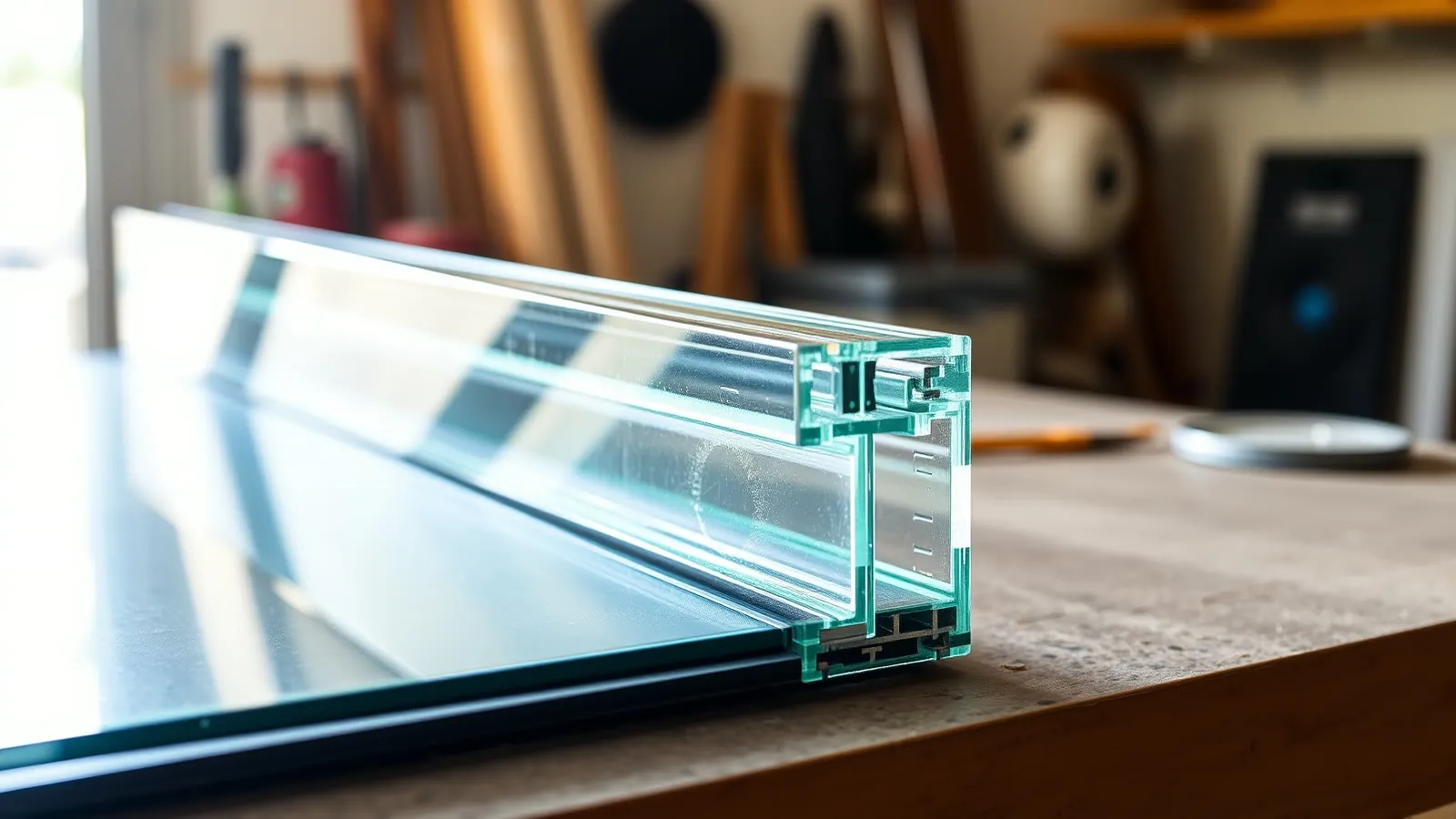
A double glazed unit is two panes of glass separated by a spacer, with the edge sealed so the space between stays closed off. That sealed cavity is where much of the benefit comes from. Air or gas trapped between the panes slows the passage of heat (our explainer on why argon gas is used in double glazed units covers the gas side), and it also acts as a buffer between the outside pane and the inside one.
Economy Glass describes its double glazed unit replacement in the same terms: the sealed cavity works as an acoustic buffer, which makes a window semi-soundproof against traffic and neighbourhood noise. That wording is deliberate. It says the window is quieter, not silent.
What most people notice
If your old window is a single pane and the new one is a well sealed double glazed unit, you can usually expect:
- Less of the general hum. Everyday traffic, neighbours talking in the street and the sound of a mower a few doors down tend to drop noticeably.
- A softer edge on sudden sounds. A car door or a bark is still audible, but it often feels further away.
- A calmer room overall. Lower noise and fewer cold drafts together make a space feel more settled, which many people value as much as the sound reduction itself.
None of this means the room becomes silent. Sound reaches a window from every direction, and the glass is only one part of the story.
What double glazing does not fix
It is just as useful to know where double glazing falls short.
Gaps and worn seals. If air can slip around the frame or past a sash, sound goes with it. A beautiful sealed unit in a leaky frame will disappoint. The first step in any noise project is to close the gaps, which our main guide walks through.
Deep rumble. Heavy trucks, trains and aircraft produce low frequency sound that travels well through almost any barrier. Double glazing helps, but this is the hardest kind of noise to reduce.
Noise through walls, floors and doors. If the loudest sound in your bedroom arrives through a wall or a door with a gap underneath, a quieter window will not change much.
A failed seal. Over the years the edge seal on a unit can fail. Moisture enters the cavity and the unit looks misted. At that point the unit has lost much of its insulating benefit, including the buffer effect. This is the situation where replacement of the unit makes sense.
When glass type matters more than the number of panes
Two double glazed units can behave very differently. A few things change the result:
- Pane thickness. Thicker glass resists vibration better. Some units use two panes of different thickness, which tends to reduce noise across a wider range of sounds than two identical panes.
- Laminated glass in one or both panes. The plastic interlayer in laminated glass damps vibration. For a longer look, read acoustic laminated glass.
- Cavity width. A wider cavity usually performs better for noise, within the limits of what the frame can hold.
- The frame and seals. A solid, well fitted frame matters as much as the glass.
If a quote does not mention these, ask. A supplier who knows the product will answer simply.
What Economy Glass can and cannot do
This is where our scope matters, so we will be direct. Economy Glass will replace failed or misted double glazed units in existing frames. We do not install or retrofit new double glazing into windows that hold single glass.
If you already have double glazed windows, and one has gone cloudy, send us a photo of the foggy pane and a few rough measurements. We will quote to replace the unit, and the replacement restores the buffer that has been lost. Our guide on replacing existing double glazed glass explains how that process runs.
If you have single glazed windows and want a quieter room, there are still useful steps: sealing gaps, replacing worn seals and considering laminated glass. For a cracked or loose pane that is adding rattle, our window glass replacement service is the place to start.
Is a misted unit still any good for noise?
A misted unit means the seal has failed and the cavity is no longer protected. Some of the sound benefit remains simply because there are still two panes, but the advantage is reduced and the unit will not recover on its own. If a misted window faces the loud side of the house, replacing it is one of the more effective ways to get back what you had.
Setting realistic expectations
A simple way to think about it is this. Double glazing is a strong tool for reducing everyday noise, and one of the best single upgrades available when the frame and seals are in good order. It is not a promise of silence, and it does not replace the work of closing gaps.
Before you decide, it helps to:
- Note which rooms are the noisiest and what kind of noise it is.
- Check seals, gaps and vents around the opening.
- Ask for a clear description of what is being proposed for each window.
- Ask where any noise reduction claim comes from.
- Keep the goal modest: noticeably quieter, not silent.
If you want to see how other options compare, our guide to acoustic laminated glass covers laminated glass in more detail.
Frequently asked questions
Does double glazing reduce noise?
In most cases, yes. The sealed cavity between the panes works as a buffer, so a double glazed unit is usually quieter than a single pane of similar quality. The result depends on the frame, the seals and the kind of noise.
Is double glazing soundproof?
No. It is better described as semi-soundproof against traffic and neighbourhood noise. It cuts a good portion of everyday sound, but no window blocks everything.
Does double glazing help with traffic noise?
It usually helps with the general hum of traffic. Low frequency rumble from heavy vehicles is harder to reduce, and combining a sealed unit with good seals and laminated glass tends to perform best.
Will a misted double glazed window still reduce noise?
A little, because there are still two panes, but the sealed cavity has failed and the benefit is reduced. Replacing the unit restores it.
Can Economy Glass fit double glazing into my single glazed windows?
No. We replace damaged, failed and misted double glazed units in existing frames, and we do not install or retrofit new double glazing.
How do I get a quote to replace a misted unit?
Send a photo of the foggy pane and rough measurements. We will tell you what we can do for your window.
A simple next step
If you have a misted double glazed window and would like to know what it would take to replace it, you are welcome to start a conversation on our request a quote page. There is no pressure, and a photo and a few measurements are usually all we need.