




Double glazing Melbourne enquiries often start with a window that already has a problem: damaged glass, a cloudy view or a room that feels uncomfortable. Before choosing replacement glass, identify what is in the opening now and what you want to retain.
Here is how an existing-glass replacement enquiry runs, from the first photographs to the agreed work. You may not need a whole new window, and not every existing frame can accept an upgrade. The useful starting point is the individual opening.
Double glazing Melbourne: name the replacement job
Tell the glazier if the window already contains a sealed double glazed unit. If you do not know, say so. A description based on observation is more useful than a technical label chosen because it sounds right.
Write down the room and the panel involved. In a bedroom with a fixed pane beside an opening sash, identify which section has the problem. If both need assessment, label them separately. That gives the enquiry a clear boundary.
For example, a homeowner might report a cloudy central pane but no visible concern with the adjoining opening section. The request is to assess the central unit and the surrounding condition. It is not yet a request to replace every pane in the room.
For the broader quote comparison, use Double glazing cost in Melbourne: what drives the price. Keep your room notes beside you when preparing the actual replacement enquiry.
Record what you can see safely
Take a photograph of the complete window and another showing its position in the room. A close-up is useful if it shows the concern without bringing you near damaged glass. Avoid standing on furniture or opening a cracked sash to obtain a better angle.
Describe the symptom in ordinary terms. Note that a mark remains after normal cleaning, that moisture appears on a particular surface, or that a pane has a visible crack. Do not claim a failed seal or a particular cause unless it has been assessed.
Include when you first noticed the issue and whether anything has changed. If a window has become difficult to close, mention that separately from the condition of the glass. The assessor then has both concerns to consider.
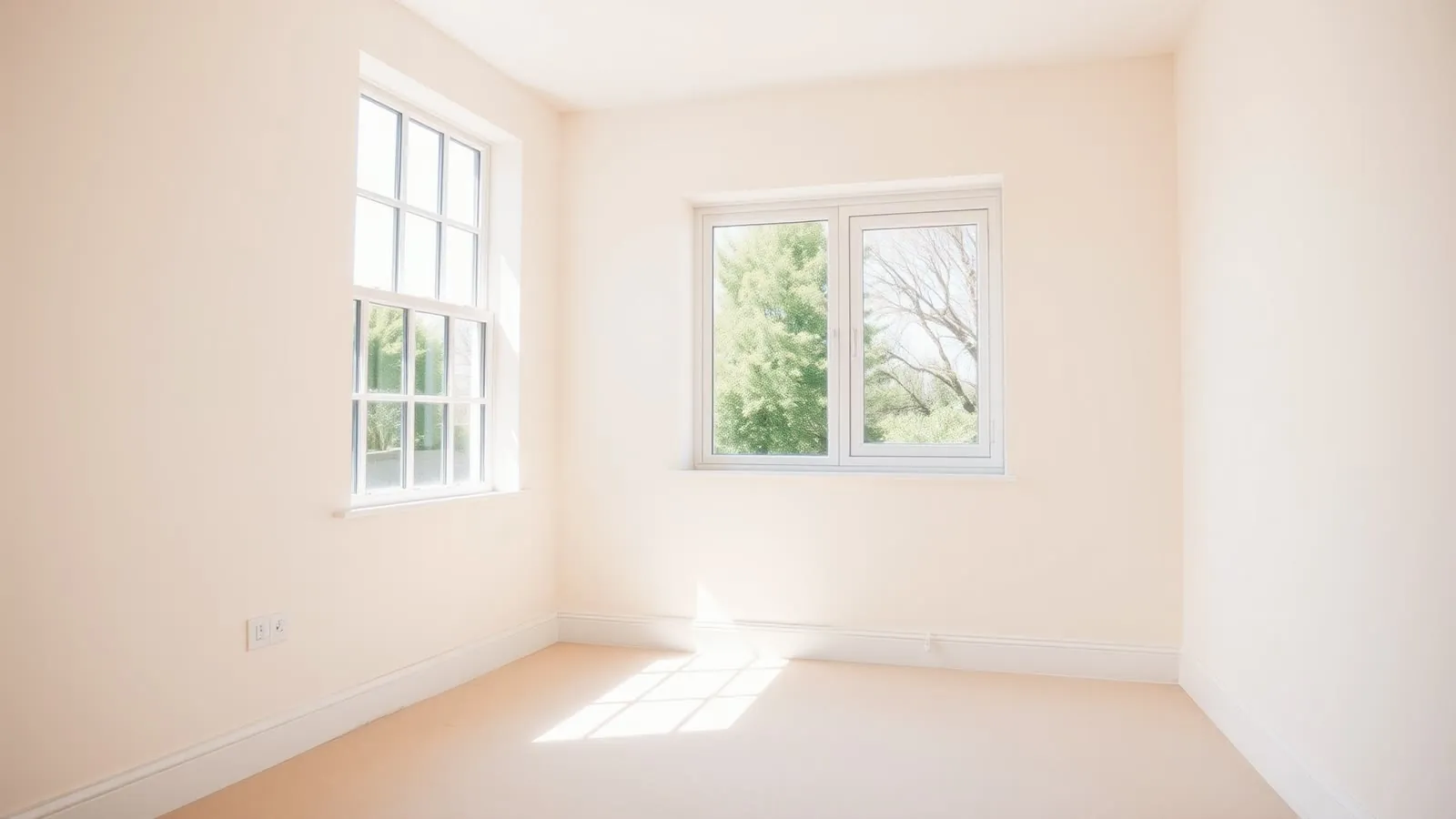
Make a room schedule
Use a short label for each opening, such as study front or bedroom side. Put that label on your photograph and enquiry notes. Record the frame material if known, the opening style and approximate dimensions only where safe.
Leave uncertain entries marked unknown. You are gathering information for an assessment, not producing a manufacturing order. A correct admission that you cannot identify a detail is better than a precise-looking guess.
Check the frame before choosing the glass
A replacement plan needs to address the existing opening. Ask what will remain and which conditions still need checking before the proposed unit can be confirmed.
Economy Glass’s earlier double-glazing explanation warns that many aluminium profiles cannot be retrofitted. That warning is especially relevant if you currently have single glass and hope to retain the frames.
Do not extend a suitability answer from one window to every window in the house. Ask about the fixed panels and opening sections individually. If the replacement-only approach is unsuitable at an opening, have that boundary explained before proceeding.
The separate feasibility guide, Double glazing retrofit: what is possible, looks at the meaning of retrofit and the questions to ask about retaining existing frames. It is the next read if your enquiry involves changing the glazing arrangement rather than replacing an existing unit.
Decide what the replacement should address
Give the glazier a practical account of how the room is used. A study used through the afternoon has a different brief from a bedroom where the immediate concern is damaged glass. Explain your priority before discussing optional changes.
Keep your requests specific. Ask which proposed features address the concern, what evidence supports the recommendation and what limitations remain. Avoid treating a broad product description as a promise about every aspect of comfort.
If the main reason for replacement is damage, say whether you also want advice on another concern. That allows the assessment to distinguish the necessary replacement from a possible change in specification. You can then make an informed decision about the actual proposal.
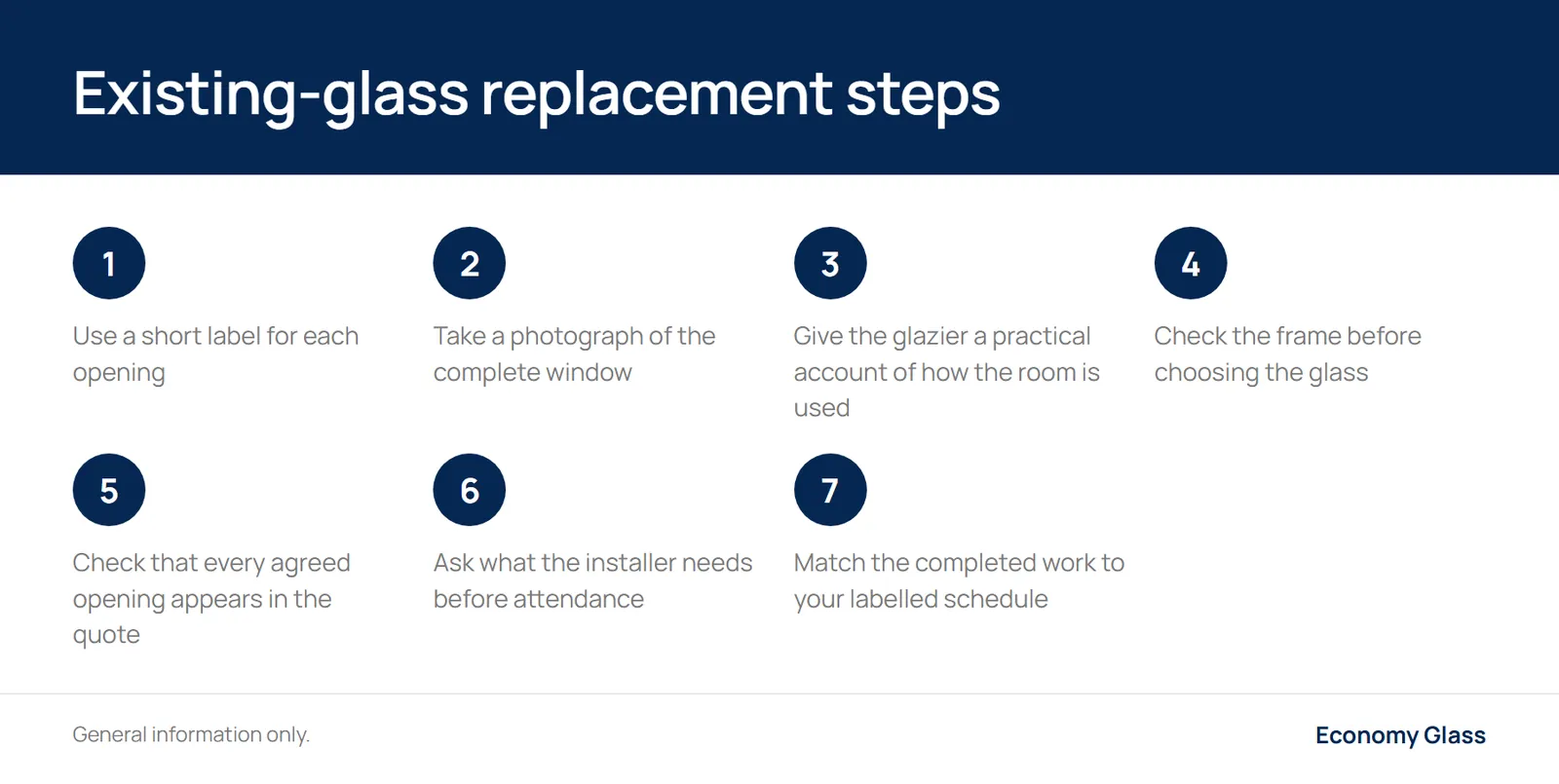
Read the quote against the room schedule
Check that every agreed opening appears in the quote and that deferred openings are clearly separate. Look for a proposed glass description and a statement of what is retained. Ask about any item that is provisional.
A useful comparison keeps the same windows and installation scope in view. If one proposal includes the opening sash and another covers only the fixed pane, ask for the difference to be resolved before comparing totals.
| Item to check | Practical question |
|---|---|
| Window label | Is this the opening we discussed? |
| Proposed glass | What exactly is being installed? |
| Retained parts | Has their suitability been assessed? |
| Site conditions | What remains to be confirmed? |
| Exclusions | Who handles anything outside this scope? |
Keep the answers with the quote. A verbal explanation is useful during discussion, but your final decision should rest on a description you can return to later.
Prepare the work area by agreement
Ask what the installer needs before attendance. Discuss furniture, blinds, curtains and any objects close to the opening. Confirm responsibilities rather than assuming these items are included in the glazing work.
Show fixed obstructions in your room-context photographs. A desk that can be moved is different from built-in cabinetry. For an upstairs opening, describe its location and let the glazier assess access.
If the property has shared access, find out who needs to arrange entry or discuss relevant building requirements. Keep those arrangements separate from the glass specification so neither is forgotten.
Check Economy Glass’s service-area page when preparing the enquiry. Confirm the address and access circumstances with the team before treating attendance as arranged.
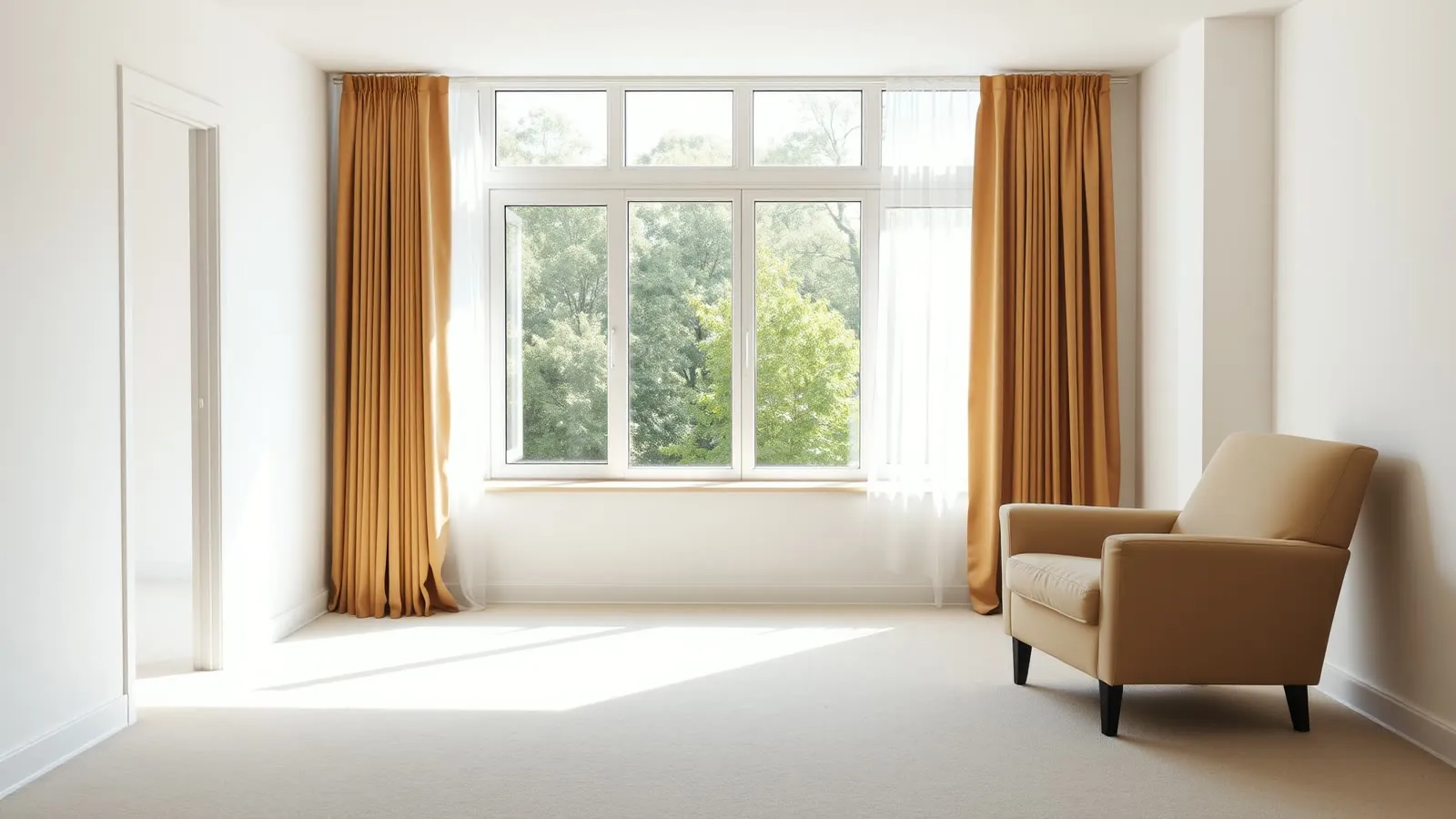
Agree on room access
In a home office, ask how the work will affect use of the desk and nearby equipment. Arrange another place to work if the area needs to be kept clear. Do not plan to sit beside the opening while the glass is being handled.
For a bedroom, discuss the bed position and anything stored beneath the window. Give the installer the actual room layout before attendance, especially if large furniture cannot be moved easily. A photograph taken after clearing small objects may hide a fixed obstruction, so explain what remains. Confirm the preparation instructions rather than relying on a generic promise to clear the room.
Keep a record at handover
Match the completed work to your labelled schedule. Ask the installer to explain the care instructions for the fitted glass and any points relevant to the retained window.
For an opening section, raise any concern about operation during handover. Follow the installer’s guidance rather than forcing the sash or adjusting fittings yourself. If something differs from the written scope, ask for the difference to be explained.
Retain the glass description and paperwork. A future enquiry will be easier to describe when you have a record of which unit was replaced and what the work involved. Do not assume any particular warranty or aftercare term without reading the actual documentation.
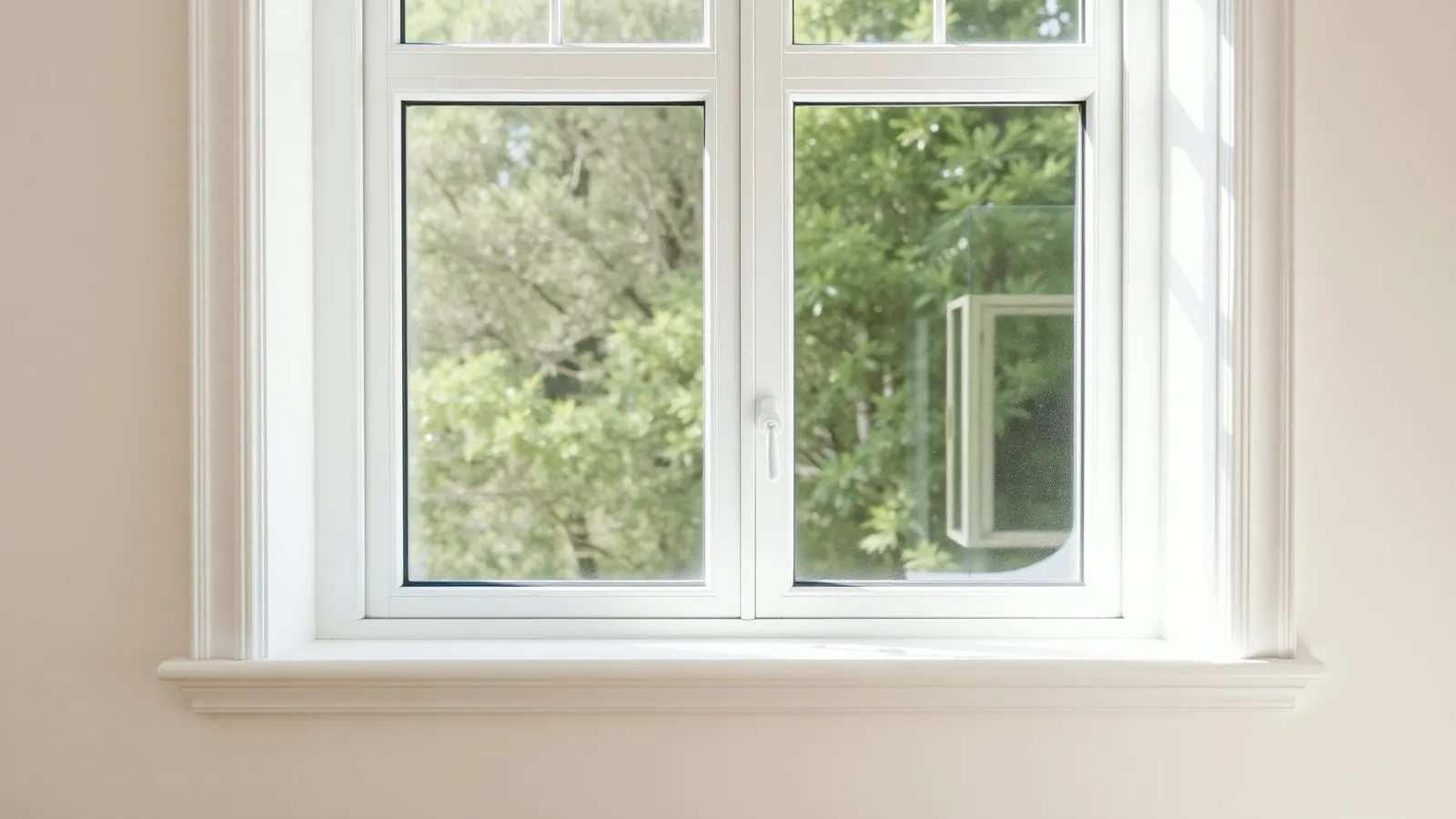
Frequently asked questions
Do I need to replace every window in a room?
Ask for the affected openings to be assessed individually. Describe which glass has the problem and which adjoining panels you intend to retain. The agreed scope should identify the actual units included.
Can I order from my own measurements?
Treat your measurements as enquiry information. Ask the glazier how fitting dimensions and specifications will be confirmed. Do not dismantle the window to measure an edge.
Is a cloudy pane enough to identify the fault?
Describe what you can see and where it appears. Ask for an assessment before deciding the cause or the replacement specification. A photograph supports that conversation but should not be treated as a complete diagnosis.
Will replacement glass fix a sticking sash?
Have the operating concern assessed separately. Ask the proposal to explain any related work and its responsibility. Do not assume a glass replacement includes an operating repair.
If you are ready to discuss a particular opening, contact the Economy Glass team about existing window glass. Start with a room label, photographs and the concern you want assessed.