



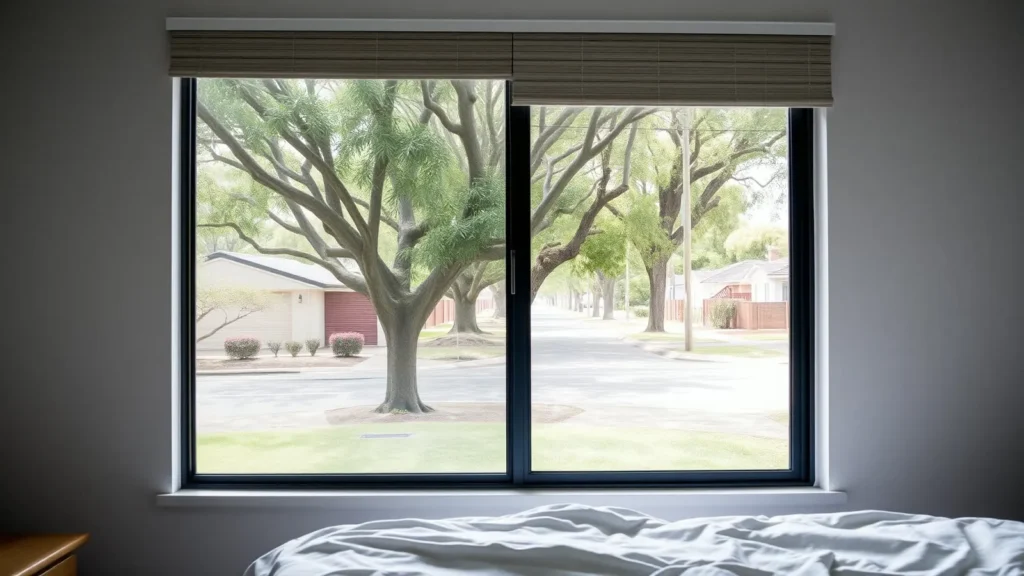
Search for “acoustic glass” and you will find a lot of confident claims and not much explanation. The idea underneath is simple. Most glass marketed for noise is laminated glass: two sheets bonded to a plastic layer in the middle. That layer is what calms the vibration that carries sound through a pane.
This guide sits under our main overview of sound proof windows. It explains how laminated glass works against noise, where it helps most, how it fits with double glazing and what to ask a supplier so you know exactly what is in your quote. It is general information, and no particular rating or product is promised here.
What makes glass “acoustic”
Sound reaches a window as vibration in the air. The air pushes on the pane, the pane vibrates, and the inside face of the pane pushes that vibration into your room. A single sheet of ordinary glass is stiff and rings easily, so it passes a good share of that vibration through.
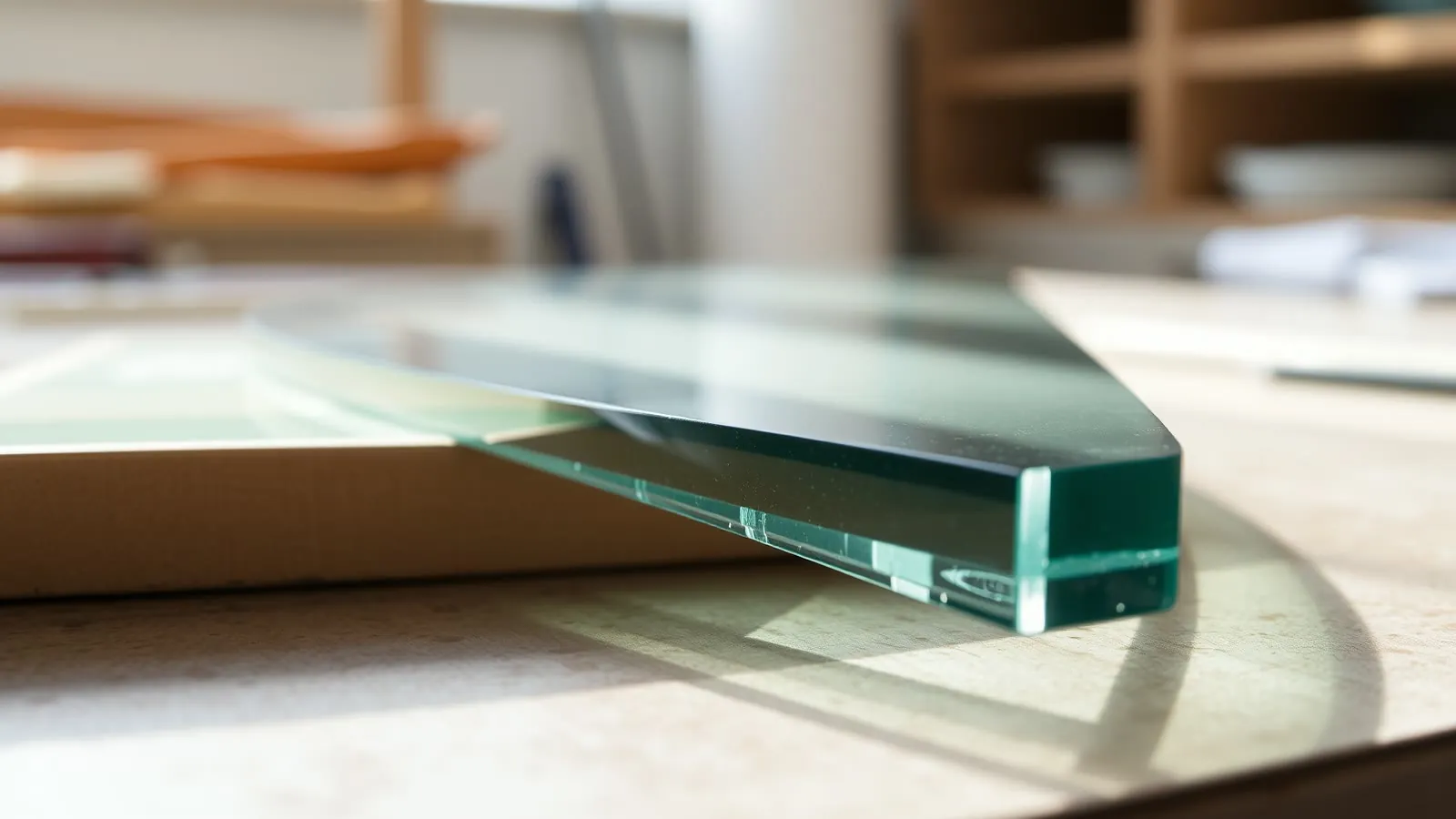
Laminated glass changes the behaviour. Two sheets of glass are permanently bonded to a thin plastic interlayer. When the pane is pushed by sound, the layer in the middle soaks up some of the movement as the sheets try to flex against each other. Less vibration reaches the inside face, so less sound reaches the room.
Our safety glass range describes laminated glass in these terms: the interlayer dampens exterior noise, and the pane also blocks a large share of ultraviolet light. The noise benefit and the UV benefit come from the same construction.
Where laminated glass helps most
Laminated glass tends to make the biggest difference with the kind of noise that sets a pane vibrating:
- Voices and street sounds. Conversation, children playing, dogs and footsteps carry through standard glass easily and are reduced noticeably by a laminated pane.
- The mid-range hum of traffic. The general whoosh of cars and buses on a nearby road tends to soften.
- Sharp, sudden sounds. Clatter and bangs lose some of their edge.
It helps less with deep rumble from heavy vehicles, trains and aircraft, because low frequency sound travels through almost any barrier. For that kind of noise, no single product makes a room silent, and the best result comes from combining measures.
Laminated glass and double glazing together
A sealed double glazed unit has two panes with a closed cavity between them. That cavity acts as a buffer. Laminated glass damps vibration inside the pane itself. The two ideas address noise in different ways, which is why they are often discussed together.
A few common combinations people ask about:
- A laminated pane on its own in a single glazed window, where the frame suits it.
- A sealed unit with two ordinary panes, which is how many standard double glazed windows are built.
- A sealed unit where one or both panes are laminated, which combines the cavity with the damping layer.
Economy Glass works within existing frames. We replace failed or misted double glazed units and we do not install or retrofit new double glazing. If your windows already hold sealed units, ask whether the replacement can be made with different glass. Your supplier can tell you which constructions suit your frame and the opening.
What to ask when a quote says “acoustic”
The word is used loosely. A few plain questions clear up what you are being offered:
- Is it laminated? If the quote says acoustic, ask whether that means a laminated pane and how many sheets it has.
- What is the interlayer? Some interlayers are made specifically to damp sound. Ask whether the one proposed is a standard layer or a sound damping one, and what the claim is based on.
- What is the thickness, and is it different on each side? Panes of different thickness in a unit tend to work across a wider range of sounds than matching ones.
- Will the frame cope? Laminated glass is heavier and thicker. A solid frame and bead matter.
- Is the pane being replaced as a single piece? Laminated glass cannot be cut or drilled afterwards, so the size must be right the first time.
- What else is sealed or fixed? A laminated pane in a draughty frame still lets sound past the edges.
If a quote says nothing beyond “acoustic glass”, it is fair to ask for a description of every layer. A supplier who knows the product will describe it simply.
The safety angle, briefly
Laminated glass is also a safety glass. If it breaks, the layer in the middle holds the pieces in place rather than letting them scatter. That is why it is common in glass doors, sidelights and low windows. Our guide to laminated safety glass explains this side in detail, and our comparison of toughened and laminated glass shows where each suits best. For the noise question, treat safety as a welcome extra.
Which rooms and openings to start with
You rarely need to treat every window at once. A sensible order looks like this:
- Bedrooms facing the road. Sleep is where noise costs the most, so these windows usually come first.
- Home offices and study nooks. Voices and street sounds break concentration, and laminated glass softens exactly those.
- Glass doors and sidelights. These openings often need safety glass anyway, so choosing a laminated pane serves both jobs. Our page on laminated and toughened glass options shows what is available for doors and low windows.
- Windows that rattle. A loose or cracked pane adds buzz of its own. Replacing it with a fresh pane that sits snugly in the frame can quieten the room before any acoustic upgrade is considered.
Make a note of which room is noisiest at which time of day. That simple list helps your glazier suggest where a laminated pane would be noticed first.
Limits to keep in mind
Setting expectations helps you judge a result fairly.
- Gaps beat glass. Open vents, worn seals and loose sashes pass sound whichever pane is fitted. Fix those first.
- No pane is a wall. Walls, roofs and doors carry noise too.
- Ratings are not experience. A supplier’s claim is a starting point. How a room feels depends on the frame, the room and the noise.
- Cost and benefit. The noisiest side of the house is usually the best place to start, rather than every window at once.
For a side by side look at adding a second layer versus changing the pane, see secondary glazing versus replacing the glass.
Frequently asked questions
What is acoustic glass?
Usually laminated glass with a plastic layer between two sheets. The layer damps vibration, so less sound passes through the pane.
Is laminated glass better than double glazing for noise?
They work differently. Laminated glass damps vibration in the pane, while a sealed unit adds a buffering cavity. A unit that combines the two often performs well, and the best choice depends on the noise and the frame.
Will laminated glass make a room silent?
No. It reduces noise, especially voices and street sounds, but deep rumble is hard to cut and gaps in the frame let sound past.
Can laminated glass be cut or drilled after it is made?
No. It must be made to the right size, so measure carefully and let your glazier confirm the dimensions.
Does laminated glass block UV?
Our safety glass page notes that laminated glass blocks a large share of UV light, which helps protect furnishings from fading.
Can Economy Glass fit laminated glass into my window?
We replace window glass in timber and aluminium frames and in doors and sidelights. Send a photo and rough measurements and we will tell you what is possible for that opening.
A calm next step
If a window needs new glass and noise is part of the reason, you are welcome to describe it on our request a quote page. A photo and a few measurements are enough to start, and there is no pressure.