




Energy efficient windows control unwanted heat transfer while giving a room useful daylight. The glass matters, but so do the frame, seals, sunlight and the way the window is fitted. A replacement pane should be chosen for the problem in that particular room, rather than because it carries a broad efficiency label.
For an existing Melbourne home, start by working out what you want to change. A cold spot beside the couch, an overheated study and a draughty bedroom need different questions answered. Here is how to compare the options when replacing existing glass, including what to ask before accepting a specification.
What makes energy efficient windows work
Window efficiency involves separate measures. U-value describes heat flow through a window. Solar heat gain coefficient, usually shortened to SHGC, describes solar heat admitted. Visible light transmittance, or VLT, describes daylight passing through the glazing. Lower U-values mean better insulation; the right solar gain depends on the room. Source: NFRC, window ratings.
These measures answer different questions. If a room is uncomfortable after sunset, start the conversation with insulation and air leakage. If it becomes uncomfortable when direct sun hits the floor, include solar control and shading. If the room already needs lights during the day, explain that before comparing darker-looking glass samples.
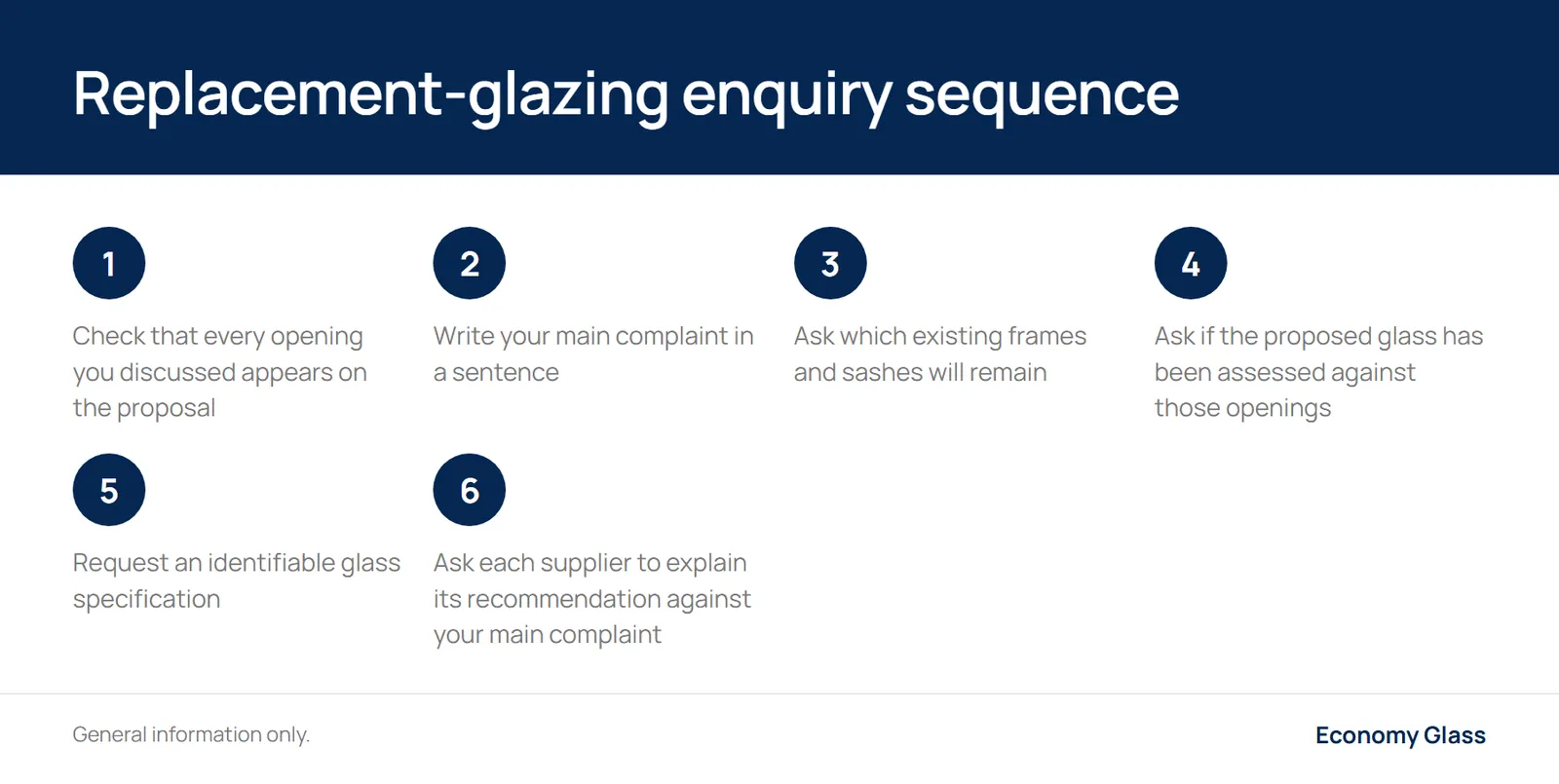
Write your main complaint in a sentence: “The dining area feels cold when we sit beside this window after dinner.” That is more useful than asking for the best glass. It gives the person assessing the window a location, a time and a practical outcome to investigate.
Keep secondary concerns on the same note. You might want less glare on a computer, a similar appearance to neighbouring panes or a window that still opens as it does now. A good specification should deal with these everyday requirements rather than leave them until the glass has been ordered.
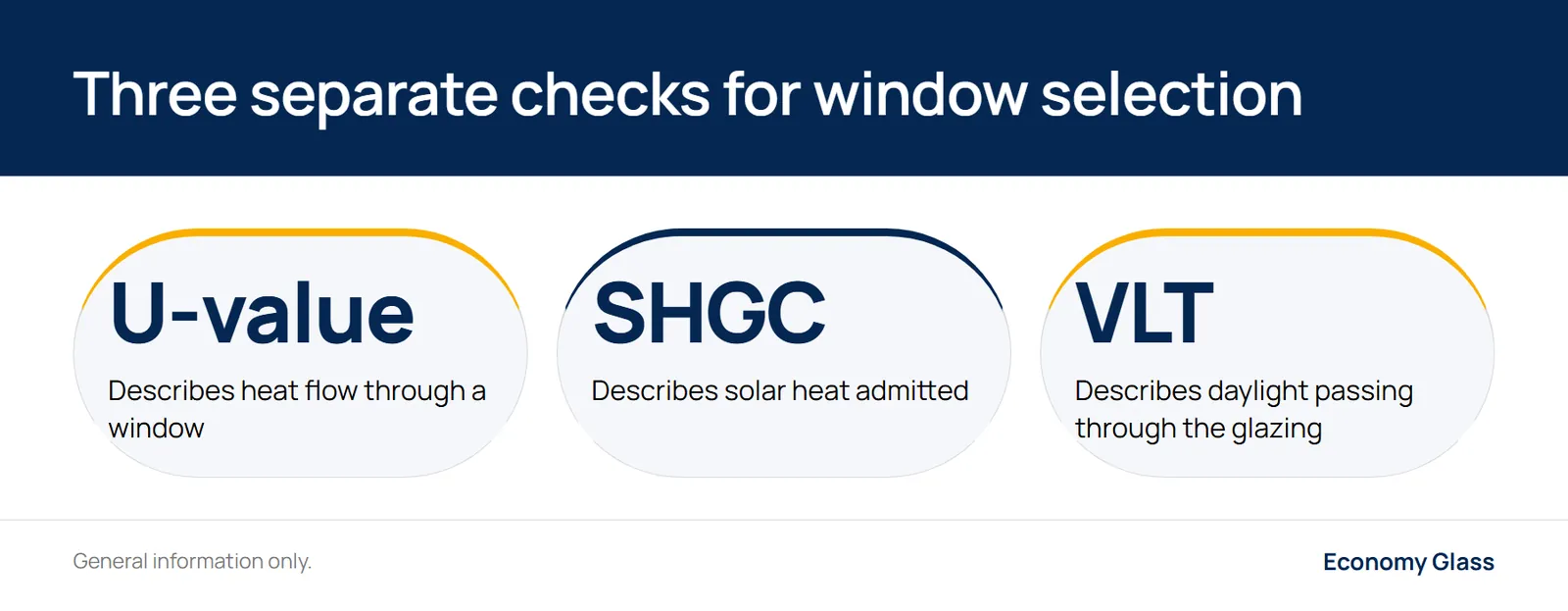
Read the ratings before comparing glass names
U-value: compare the same part of the window
Ask if a quoted U-value covers the glass alone or the whole window. Whole-window figures include the frame, so they are not interchangeable with centre-of-glass figures. Your Home identifies whole-window U-value as Uw. Source: Your Home, conduction.
For a replacement-glass discussion, this distinction is essential. A supplier may have reliable data for a proposed glass unit but no assessed whole-window figure for your existing frame. That does not make the glass data useless. It means you should understand the limit before treating the number as the performance of the completed opening.
Imagine two written proposals. One gives a glass-only figure beside a coating name. The other gives a whole-window figure for a different frame system. Do not rank the proposals by whichever number is lower. Ask each supplier to identify the measurement boundary and explain which information applies to the window you will actually retain.
Record the units as well. If a brochure, a website and a quote use different notation, ask for a comparable statement rather than trying to reconcile them from memory. Keep the explanation with the quote so you can return to it when choosing between options.
SHGC: decide which sunlight you want
Lower SHGC means less solar heat is transmitted. That is not automatically the best choice for every opening. A room where you value winter sun presents a different brief from one where afternoon sunlight is already unwelcome. Source: NFRC, solar heat gain ratings.
Tell the glazier how the room behaves in both seasons. “Hot in summer” is useful, but “the western study is uncomfortable during afternoon calls, while the morning is fine” is better. Note any external blinds and whether you are prepared to use them. Include changes you already intend to make, such as adding an awning.
Avoid choosing solar control from the room name alone. Two bedrooms may have different outlooks, shading and hours of use. Ask for a reason when the same glass is proposed throughout, and also when different products are proposed. Either approach should have an explanation tied to the openings.
VLT: keep daylight in the decision
VLT is a separate specification from solar control. Request it rather than assuming a glass sample that looks clear will admit the same light as your current pane. Source: NFRC, visible transmittance.
Take photographs from inside the room in ordinary daylight. Include the desk, kitchen bench or reading chair that depends on that window. These are useful conversation aids when looking at samples. Ask to see the proposed glass against an uncoated comparison if samples are available, and discuss any noticeable tint or reflection before ordering.
Double glazing, coatings and the sealed unit
Double glazing combines panes with a sealed cavity. Low-E coatings, cavity gas and spacers are separate parts of the assembly, each with a role in performance. The NFRC consumer guide explains that efficient-window technology extends beyond the panes to frames and spacers. Source: NFRC, window types and parts.
When you read “double glazed” on a quote, ask what follows those words. You need an identifiable glass build-up, not just the category. Ask which pane has a coating, what fills the cavity, what overall thickness is proposed and what supporting performance information is available for that combination.
The existing Economy Glass explanation of double-glazing benefits introduces the sealed-gap construction. For a replacement decision, move beyond the general benefit and ask what the proposed unit can do in your particular opening. Do not turn a broad product description into a promised result for your room.
Low-E is a feature, not a complete specification
Low-E means low emissivity. It describes a coating used to reduce radiant heat transfer. It is a different feature from the number of panes. Source: NFRC, Low-E coatings.
Ask for the actual proposed product and its data rather than accepting “Low-E upgrade” as the whole description. Read our Low-E selection guide at Low e glass explained: choosing replacement glazing for the questions about coatings, appearance and care that belong on a replacement-glass brief. Keep the detailed coating discussion there while you compare the whole window here.
Ask what is being retained
For this type of job, separate the existing frame from the glass being replaced. Have the quote identify any retained components and any associated work. Ask what happens if the inspection finds that the proposed unit cannot be fitted to the opening as it stands. Do not assume every existing window can take the same replacement assembly.
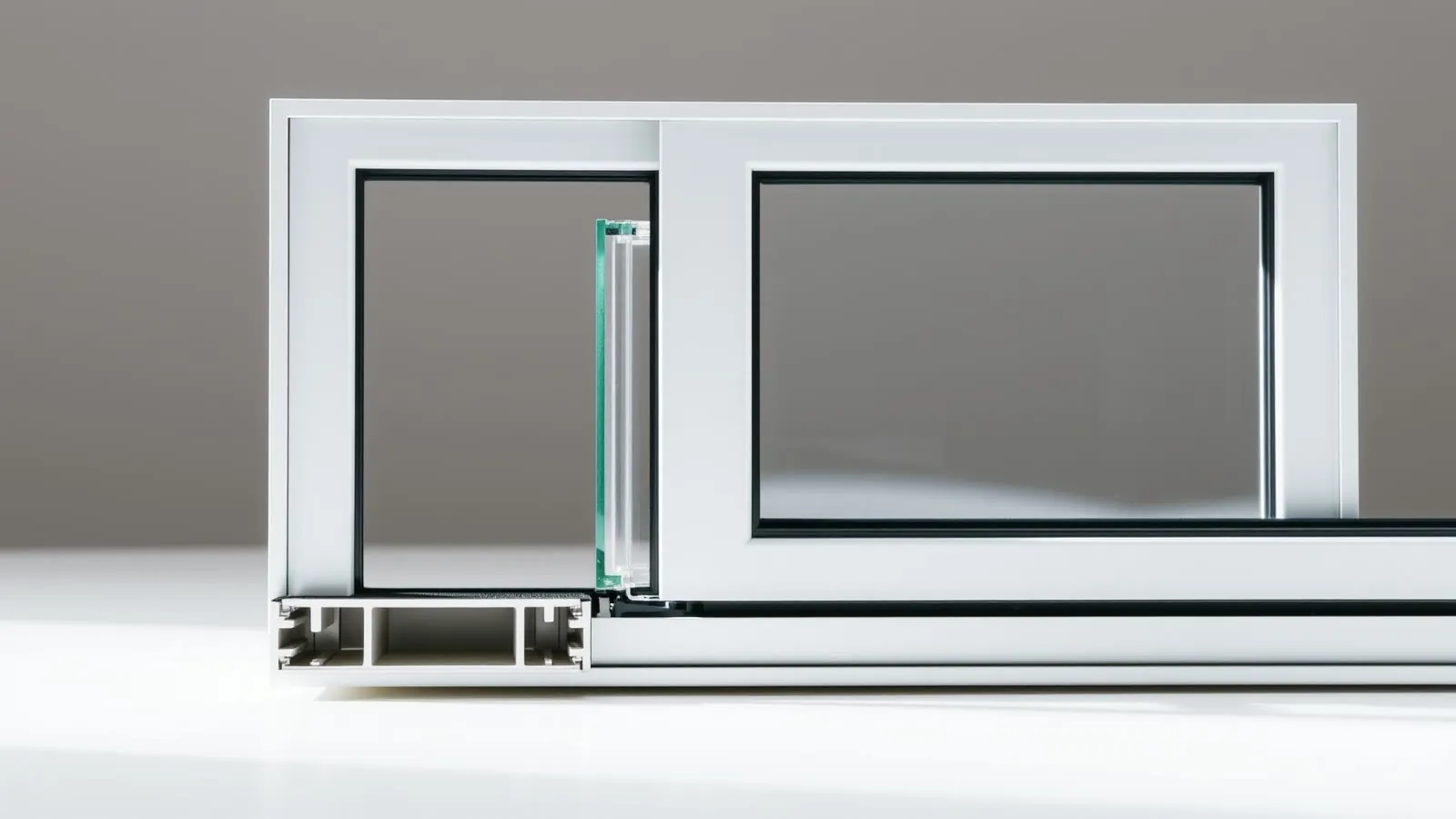
The frame sets part of the result
Frame material and construction affect thermal performance. A thermal break interrupts a conductive path through a metal frame; it is a feature of that frame’s construction. Replacing glass does not give an existing frame a thermal break. Source: Australian Government, windows.
This is a useful boundary to establish early. If you want to retain the frame, ask the assessor to explain what the glass proposal addresses and what it leaves in place. A realistic recommendation can still be worthwhile without pretending the retained components have become a different system.
Bring up operation as well as appearance. Point out a latch that needs force, a sash that rubs or a sliding panel that feels loose. Let the assessor determine the cause and the appropriate work. A photograph of a closed window will not necessarily communicate how it behaves when you use it.
If you have several window styles, keep them separate on your notes. Identify fixed panes, sliding openings and hinged openings rather than writing one total for the room. Ask if each opening has been assessed for the proposed work, particularly where you want a consistent appearance across a group of windows.
Do not treat a verbal “should fit” as the final specification. Request confirmation after the necessary inspection and measurement. This gives you a clear point at which to decide, and reduces the chance of comparing an assessed option with an option that is still only a suggestion.
Separate draughts from heat transfer through glass
Air leakage is another route for unwanted heat loss or gain. Rattling, whistling and a breeze near a closed window can be clues to gaps. They are reasons to investigate the opening, not measurements of glass performance. Source: Australian Government, sealing window gaps.
Describe the symptom without deciding the repair yourself. “I feel moving air at this corner when it is windy” gives an assessor something to check. “The glass must be wrong” may send the conversation in the wrong direction. Point to the location and explain when it happens.
Ask the quote to distinguish replacement glazing from any seal or hardware work. If the recommendation includes both, request separate descriptions so you understand the purpose of each part. If the recommendation includes glass only, ask what you should expect regarding the draught you reported.
Intentional ventilation also matters. Improving airtightness should be planned alongside reliable fresh-air provision and moisture management. Source: Your Home, ventilation and airtightness.
Do not ask for every opening to be sealed indiscriminately. Instead, explain how the room is ventilated and flag anything you are uncertain about. Ask an appropriate building professional to distinguish unwanted gaps from intentional ventilation where needed. Keep that advice alongside the glazing assessment rather than assuming one trade decision settles the entire room.
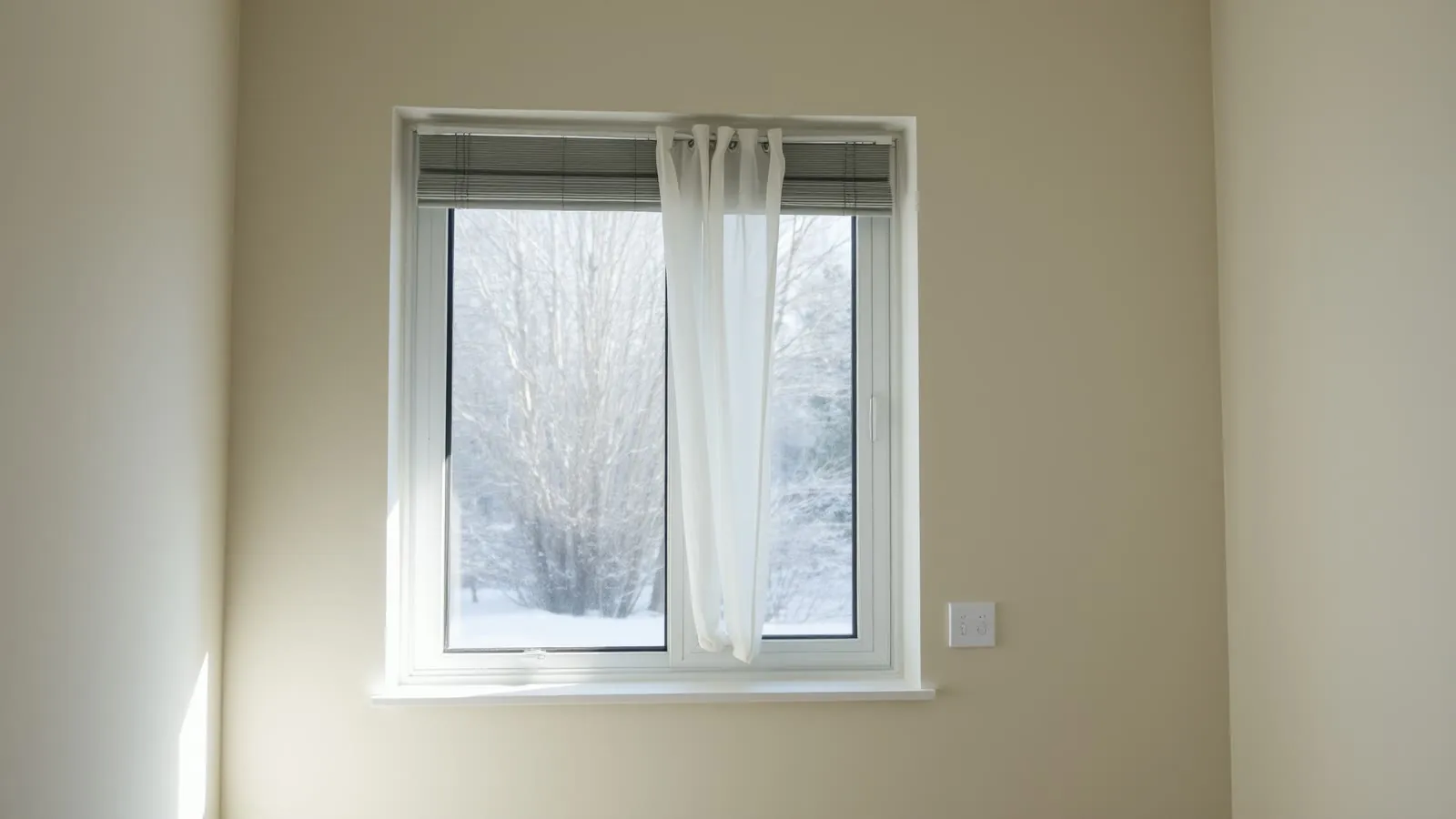
Sun exposure changes the specification
External shading can block unwanted sun while allowing useful seasonal sunlight. Its design needs to suit orientation; a shading arrangement above a north-facing window does not necessarily address low afternoon sun from the west. Source: Your Home, shading.
Before a glazing visit, sketch the room and mark the windows. Add the approximate direction each faces if you know it. Note nearby walls, trees, verandahs and external blinds. Mark uncertain directions as uncertain rather than guessing, then ask for them to be checked during the assessment.
Use a photograph to explain a specific complaint. A picture of sun crossing the desk can be more useful than a general shot of the house frontage. Include the time it was taken. This does not replace technical assessment, but it shows what happens during the hours you use the room.
Example: an afternoon study
Suppose your desk faces a window and you close the blind whenever direct sun reaches the screen. Ask the assessor to discuss solar control, daylight and the existing shading together. Explain that retaining a usable view matters. The decision should account for how you work, rather than simply selecting the darkest sample.
Example: a sunny winter sitting room
Suppose you enjoy sunshine in the sitting room but find the area uncomfortable after dark. Ask how the proposed glazing balances insulation with the sunlight you want to keep. Compare the recommendation with the study’s brief. These examples are decision exercises, not predictions of particular products or rooms.
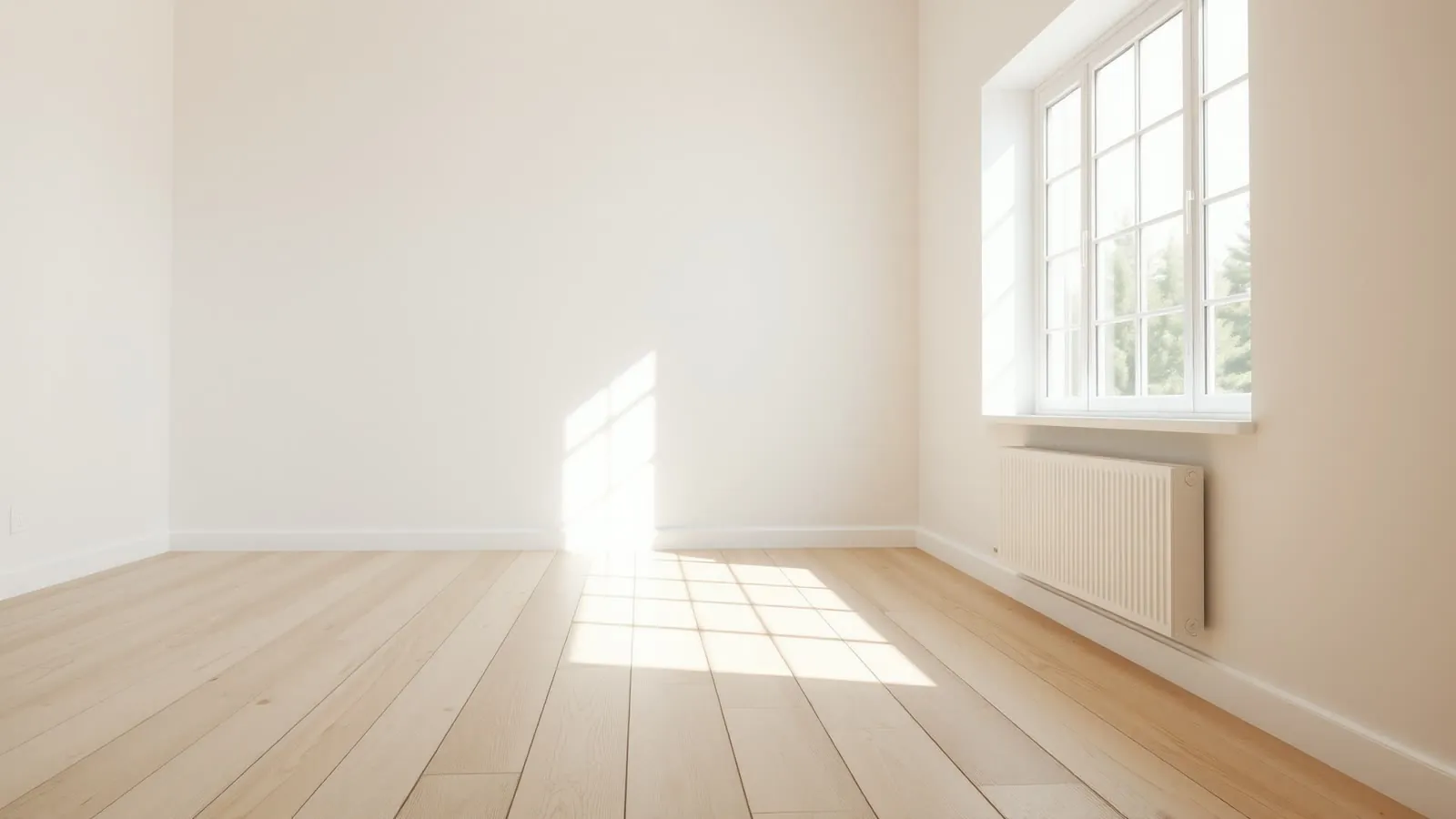
Include curtains and blinds in the assessment
Window coverings are part of how you manage a room. The Australian Government recommends close-fitting lined curtains or blinds and describes opening coverings for useful winter sunshine, then closing them when the sun is no longer entering. Source: Australian Government, window coverings.
Bring the coverings into the inspection conversation. Show how far a blind sits from the glass and how the curtains hang when closed. Explain if you keep them drawn during the day for privacy. A recommendation based on leaving them open may not match the way you are willing to use the room.
If you plan to replace furnishings, show the proposed arrangement before finalising the glass selection. For example, say if you intend to remove heavy curtains to make the outlook more open. Ask for the glazing recommendation to be considered with that intention, rather than allowing the assessment to assume the current room arrangement will remain.
Keep access and operation in mind too. Demonstrate how you reach the latch with the existing blind fitted, and point out anything that catches when the window opens. These are practical details to resolve during planning. They are easy to overlook when your attention is on a glass sample at the kitchen table.
Match the upgrade to the complaint
Use this table as a starting brief. It organises what to report; it does not diagnose the window from a symptom alone.
| What you notice | What to record | What to ask about |
|---|---|---|
| Discomfort beside the glass after dark | Seat position, time and heating use | Insulation performance and retained frame |
| Overheating during direct sun | Affected hours and existing shade | Solar gain, shading and daylight |
| Moving air near a closed sash | Exact location and weather | Seals, operation and air leakage |
| Water on the room-facing surface | When it forms and nearby moisture sources | Ventilation and surface temperature |
| Haze that cannot be wiped away | Which surfaces you can safely check | Inspection of the sealed glass unit |
When more than one problem is present, rank them. For instance, glare might be mildly annoying while the room is unusable after lunch. Tell the assessor which outcome would make the biggest difference. Ask which parts of the proposal address that priority and which address your secondary concerns.
Avoid adding unrelated promises to the job. If noise is also a concern, state it separately and request appropriate advice. Do not assume that a description aimed at thermal performance also supplies evidence for every other performance claim. A clear brief leaves room for the assessor to explain trade-offs.
Condensation needs its own diagnosis
Room-side condensation occurs when a surface is cold enough for moisture in the adjacent air to condense. A glazing change can form part of moisture management, but it is not a guarantee of dry windows. Source: Your Home, condensation.
Our practical guide at How to stop condensation on windows: find the cause first explains how to identify where the water is forming before choosing a response. Use that check before attributing every wet sill to a defective pane. Describe the pattern and supply photographs, particularly if the window is dry by the time someone can inspect it.
Moisture inside the sealed cavity is a different issue from water on a surface you can wipe. A manufacturer’s technical paper identifies condensation within an insulated unit as an indication of seal failure requiring unit replacement. Source: Viridian, condensation technical paper.
When making an enquiry, say “the haze remains after I wipe the inside surface” if that is what you observed. Avoid declaring a failed seal from a photograph alone. Ask for inspection of the unit and surrounding frame, then discuss replacement glass if that is the confirmed problem.
Choose the order of work room by room
Start with the space where the problem interferes most with ordinary use. That might be the bedroom you avoid in winter or the living room where you keep moving a chair away from the window. You do not need to make a whole-house claim to explain why that room deserves attention.
Create an opening list before requesting options. Give each window a recognisable label, such as “kitchen above sink” or “bedroom facing driveway”. Attach photographs to those labels. Ask for the same names on the written proposal, particularly if several panes look similar from outside.
For each opening, record what you want retained: opening style, sightlines, colour relationship with adjacent glass and any existing coverings. Include access concerns that the assessor needs to see. Treat your measurements as background information unless the glazier confirms they are suitable for the purpose.
When contacting the Economy Glass team, keep the enquiry focused on replacement glass in existing openings. Ask which listed windows can be assessed for the proposed work before selecting a unit. The suitability of an individual opening needs an answer specific to that opening.
If you are replacing glass in stages, ask how future work would be matched to the first stage. Request the product description in writing and retain it. This does not promise that a product will remain available; it gives you a record of what was chosen and a useful starting point for later enquiries.

What to ask before choosing replacement glazing
Use the discussion to turn a broad recommendation into an understandable written scope. You should be able to identify the work, the proposed glass and the limits of the available performance evidence.
Confirm the physical scope
Ask which existing frames and sashes will remain. Ask if the proposed glass has been assessed against those openings, what associated work is included and what unresolved issues need inspection. If a recommendation is provisional, have it labelled that way rather than treating it as ready to order.
Check that every opening you discussed appears on the proposal. If one has been excluded, ask why. An excluded opening may require a different solution or further assessment. Either way, make that visible before deciding how the project will proceed.
Request an identifiable glass specification
Ask for the glass build-up, coating description where relevant, cavity specification and available thermal and daylight data. Request an explanation of any abbreviations you do not recognise. Keep a copy of the information that the quote relies on, rather than only a link to a general product category.
For context on how a coating differs from the rest of the assembly, the existing introduction to low-emissivity coated glass provides background. Use the new written specification to establish exactly what is being proposed for your replacement work.
Agree on the basis for comparison
Ask each supplier to explain its recommendation against your main complaint. If the evidence is glass-only, keep it labelled glass-only. If a whole-window performance claim is made, ask what assembly supports it. Avoid filling gaps with a number found for another window online.
The related guide at Double glazing cost in Melbourne: what drives the price covers the factors involved in a double-glazing quote. Here, keep your comparison centred on suitability and a consistent scope. Two proposals cannot be meaningfully compared if one retains components that the other assumes will be changed.
Check the proposal against daily use
Read the quote while looking at the actual windows. Walk from room to room with the opening list. Check that a desk-side pane has not been confused with a neighbouring fixed panel and that appearance concerns have been recorded where new glass will sit alongside retained glass.
Ask how to inspect a sample if colour or reflection matters to you. Explain the viewing position that concerns you: looking out from the dining table, looking in from the garden or seeing adjacent panes together. A written product code is valuable, but it should not replace a conversation about appearance.
Request the relevant cleaning and care information before work proceeds. If the proposed glass has an exposed coating, ask which surface it is on and which instructions apply. That question is especially useful if someone else cleans your windows, because they will need the same information.
Finally, decide how you will describe the outcome afterwards. Return to your original complaint and note the conditions under which you noticed it. Comparing an ordinary evening with another ordinary evening is more useful than expecting the room to feel identical through every weather change. Keep product evidence separate from your own observations.
Read an unclear quote before accepting it
Consider a hypothetical proposal that lists “efficient double glazing” for the lounge and “glass replacement” for the bedroom. It may sound specific because the rooms are named, but it leaves unanswered questions. You cannot tell which assembly goes into each opening, what the efficiency description is based on or whether the bedroom proposal has the same purpose.
Return the opening list with the proposal and ask for those descriptions to be completed. Request that exclusions are attached to the relevant opening. If a sash problem needs separate attention, have that recorded beside the window concerned, rather than left as a general conversation you will need to remember later.
Now consider a proposal that clearly identifies the replacement glass but supplies a rating for a different frame. Keep the product identification, but ask for the rating’s relevance to be explained. Do not discard useful information simply because one claim needs clarification, and do not let an attractive rating stand in for an answer about the retained opening.
If the revised proposal changes the product, ask which supporting documents also change. Match the final description, sample reference and care information to the same selection. Keep the superseded proposal separately so you do not accidentally compare an old specification with a new one when making the decision.
Frequently asked questions
Does double glazing automatically mean good efficiency?
No. Ask for the actual assembly and supporting data. The panes are only part of the window system; frames, spacers and other components also affect performance. Source: NFRC, window components.
Can existing frames always be retained?
Not always. Ask for inspection and confirmation of suitability for the proposed replacement glass. Keep frame retention as a condition to be assessed, rather than a promise made before the opening has been checked.
Should every room have the same glass?
Ask for a room-specific reason. Provide each opening’s sun exposure, shading and main complaint. A consistent specification may be suitable, but the recommendation should explain how it meets the different briefs.
Will replacement glass stop a draught?
Ask what causes the moving air and whether the written scope addresses it. A glass specification alone does not tell you what seal, hardware or surrounding-frame work is included.
Can I expect a particular reduction in energy use?
Do not adopt a general percentage as a promise for your home. Ask what assessment supports any prediction and what assumptions it uses. For a glass-only proposal, make sure retained components and the limits of the evidence are acknowledged.
What should I send with my enquiry?
Send labelled photographs, a short description of the problem in each room and your preference about retaining existing frames. Mention condensation, operating problems and appearance concerns so they can be included in the assessment.
If you are ready to discuss an existing window, ask Economy Glass about replacement-glass options. Include your opening list and the room you would like assessed first.