



Cracked window repair starts with keeping people clear of the damaged opening and arranging an assessment. Do not press on the pane to test it, open a cracked sash to inspect the edge, or try a household adhesive before speaking to a glazier.
The useful distinction is between repairing the window as a working assembly and repairing the damaged glass itself. A job described as a window repair may involve replacing glass while retaining suitable surrounding parts. Ask exactly what the proposed solution changes.
Cracked window repair: establish what needs replacing
Economy Glass lists cracked windows among the work covered by its glass repairs and replacement service. That does not establish a repair method for your particular pane. Ask for the damage to be assessed and the proposed solution explained.
Do not assume that repair means making the crack disappear with resin. Equally, do not interpret a recommendation for replacement glass as a recommendation to replace the whole frame. Those are different questions.
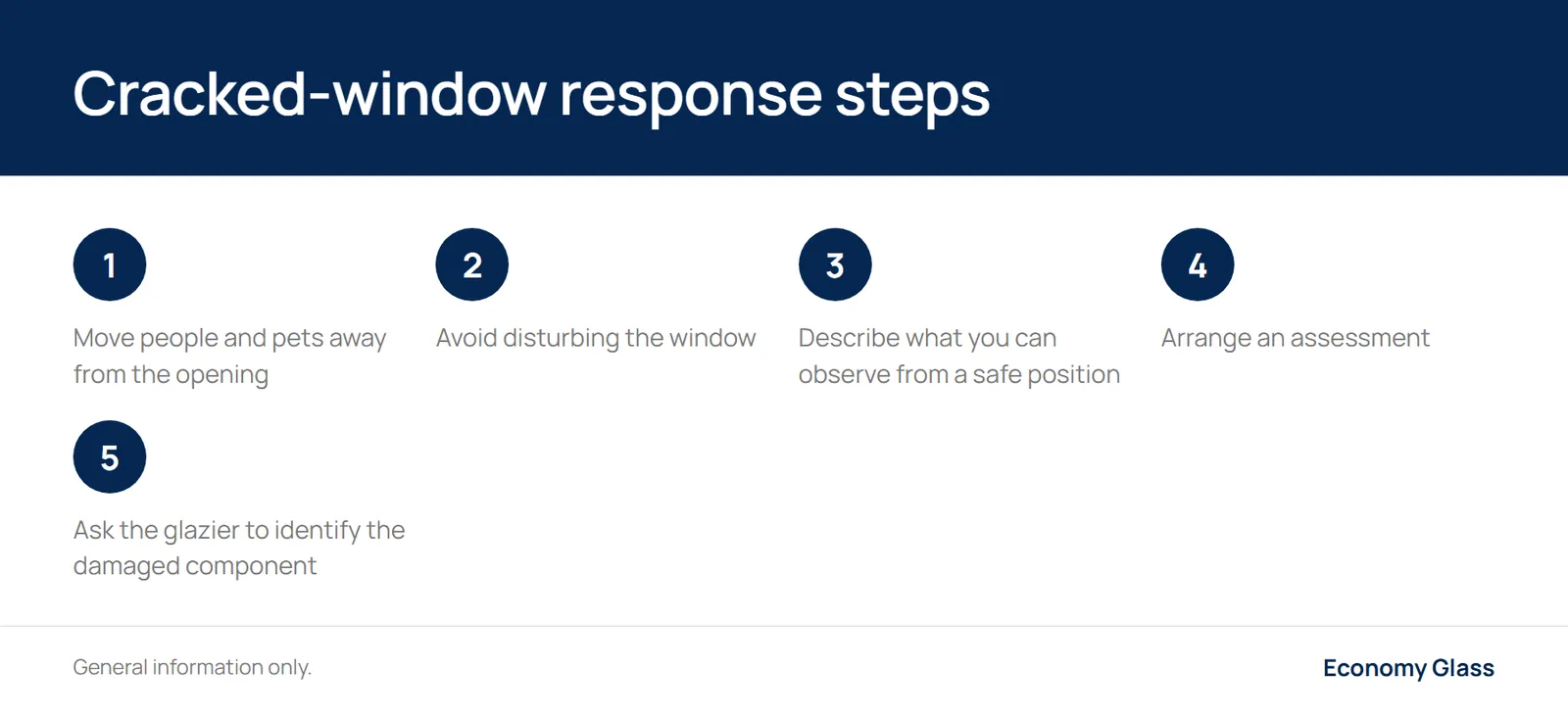
Ask the glazier to identify the damaged component, the proposed glass work and the condition of the parts intended to remain. A clear answer lets you understand the job without having to diagnose the window yourself.
A useful way to phrase the enquiry
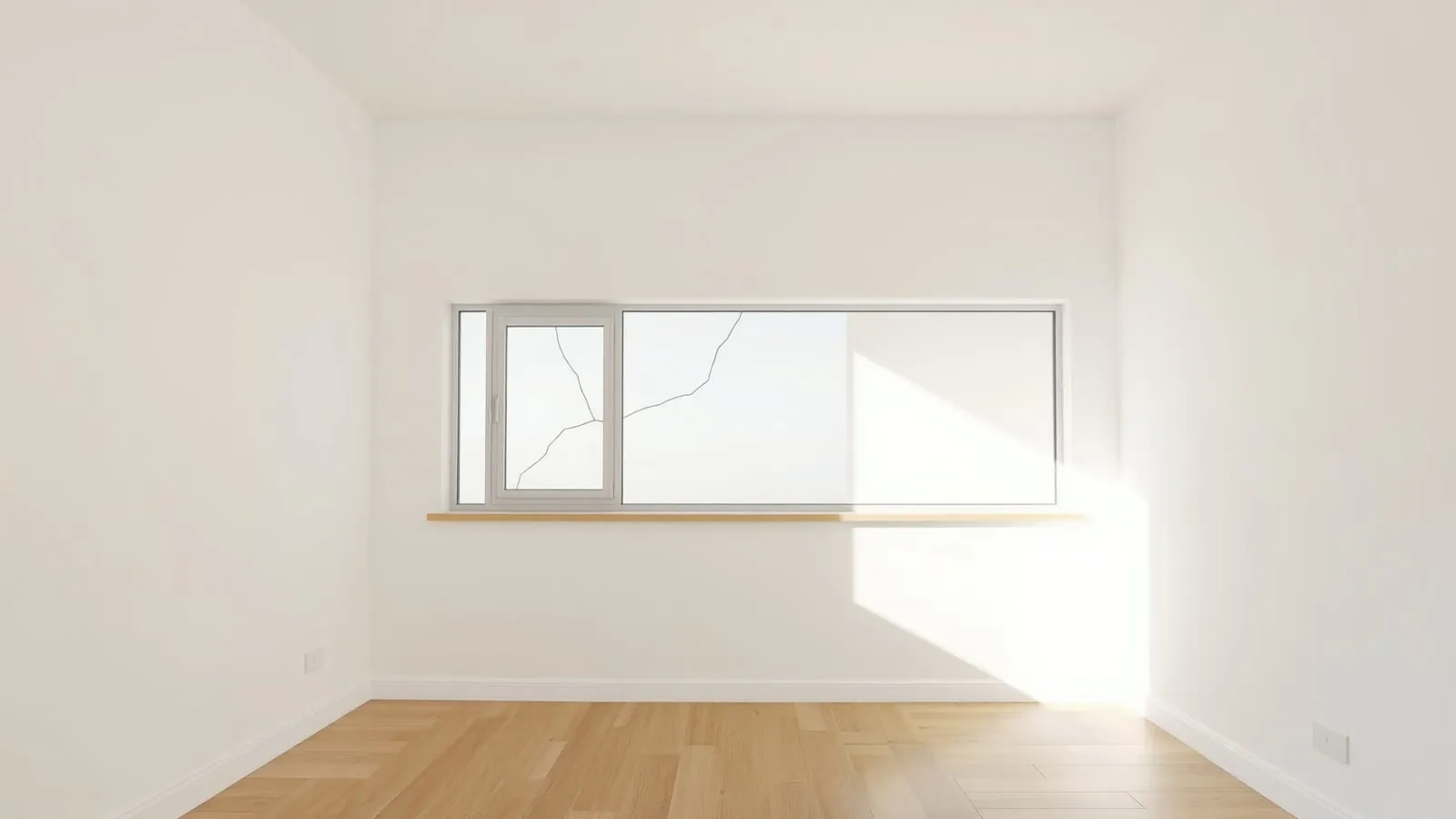
Try: the fixed pane in the front bedroom has a visible crack, and I would like advice on replacing the damaged glass while retaining the frame if suitable. Add any concerns about the frame or window operation separately.
That request describes the intended outcome without promising that retention is possible. It also leaves room for the assessor to explain why another approach might be necessary.
Keep the immediate response practical
Move people and pets away from the opening. Avoid disturbing the window, nearby curtains or loose material. If the area cannot be kept clear, describe that when seeking help rather than attempting to make the glass safe yourself.
Tell the glazier if pieces are missing, glass is visibly loose or the opening cannot be secured. Describe what you can observe from a safe position. Ask for instructions appropriate to that situation and confirm the available attendance arrangements directly.
Do not stand beneath damaged overhead glass or reach across a broken pane to close a latch. Leave work at the damaged opening to someone equipped to assess and handle it.
Report observations, not a guessed cause
Note when you noticed the crack, where it appears and whether you saw an impact. If you did not witness what happened, say that. A crack found in the morning is not proof of any particular cause.
Mention nearby work, a recent incident or a previous crack at the same opening if relevant. These are observations for assessment, not conclusions about responsibility.
Economy Glass’s article on thermal breakage explains that uneven heating can stress glass. That is a possible mechanism to discuss, not a diagnosis to apply from the shape of a crack alone.
If damage has happened repeatedly, ask the glazier what surrounding conditions should be examined before replacement. The aim is to understand the opening as well as the damaged pane.
Separate glass, frame and operating problems
Write each concern on its own line. For example: visible crack in fixed pane, water mark on sill, adjacent sash difficult to close. Avoid turning these observations into a single request to fix the window without further detail.
Ask which concerns the quote addresses. If associated work is needed, find out whether it is included and who is responsible. Replacing the glass should not be taken as an agreement to correct unrelated defects unless that work is described.
| Observation | Question for the assessment |
|---|---|
| Visible crack | What glass work is proposed? |
| Missing or loose pieces | What immediate safety arrangements are needed? |
| Deterioration around the pane | Is retaining the surrounding frame suitable? |
| Difficult opening or closing | Is separate operating work required? |
| Existing double glazed unit | What complete replacement scope is appropriate? |
What to send with the enquiry
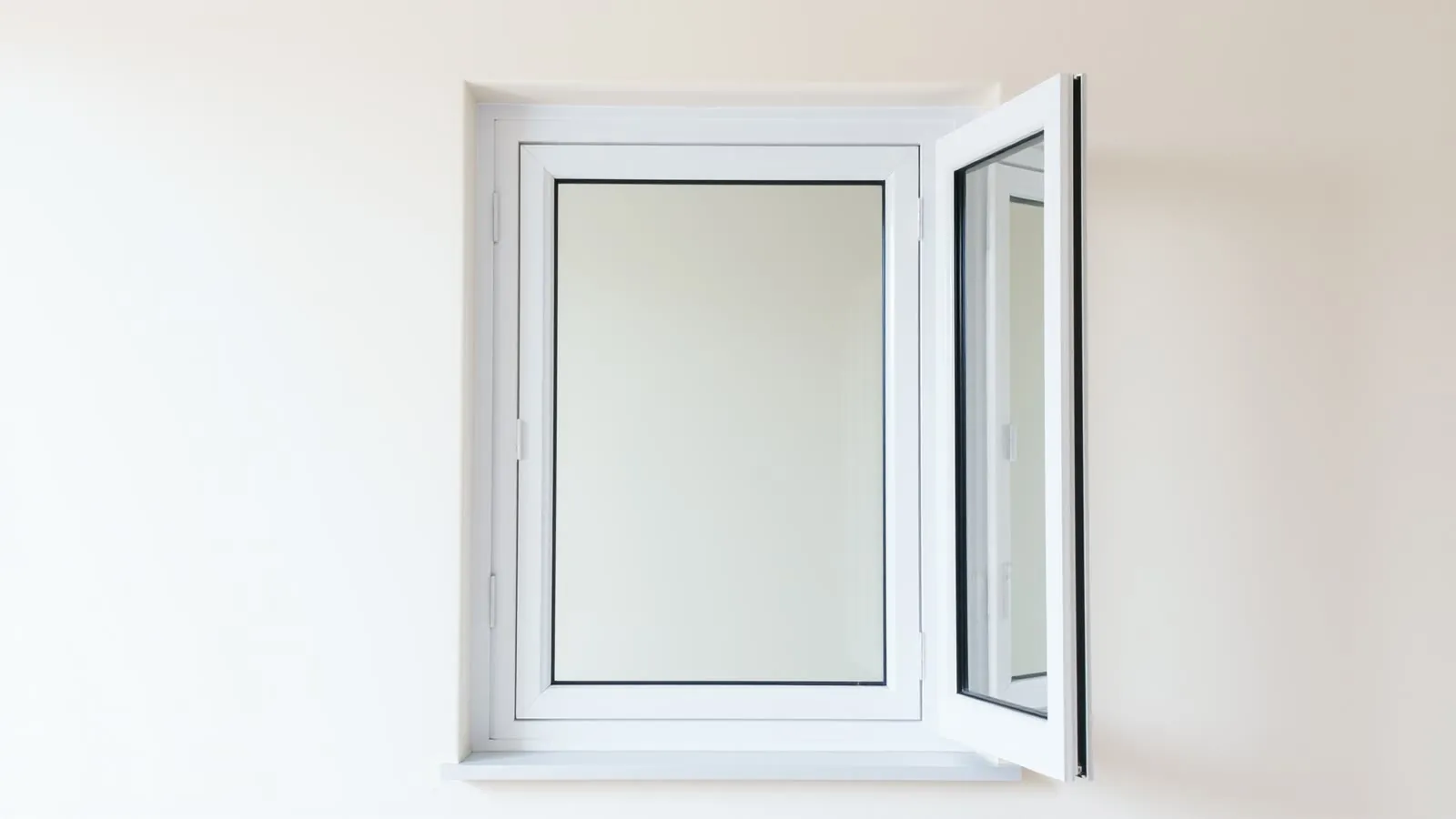
Provide the room location and a whole-window photograph taken safely. Include the opening style and frame material if known. Do not approach the crack with a tape measure or remove trim to find the glass thickness.
Mention access issues such as an upper-level position, fixed cabinetry or a shared passage. A wider photograph can help explain the setting without requiring you to inspect the damaged edge.
Use Economy Glass’s Melbourne coverage page when checking where to direct the enquiry. Confirm the particular address and circumstances with the team.
If you are arranging work for someone else
For a rented or managed property, tell the person responsible for arranging repairs what you have observed and what you have already done to keep people clear. Ask who will authorise the assessment and provide access. Do not treat this as advice about anyone’s legal obligations or insurance cover.
Keep a record of the opening location and the information supplied. If you are helping a relative, make sure the glazier knows who can discuss the proposed work and who will be present. A clear contact arrangement is useful without sharing unrelated personal information or leaving several people to give conflicting instructions about the same pane.
What to ask before approving the job
Ask for the opening to be identified in the quote and the proposed glass described. Confirm what will remain, what still needs assessment and any exclusions from the work.
For an existing double glazed window, ask whether the proposal concerns the sealed unit and how that scope has been determined. If you are also considering an upgrade from single glass, keep that optional assessment separate from the damaged-glass request. The replacement planning guide is Double glazing cost in Melbourne: what drives the price.
Ask how removal, fitting and any temporary safety arrangements are handled. Obtain actual instructions for preparing the area. Do not assume that a quotation includes every task suggested by the broad word repair.
Frequently asked questions
Can I leave a small crack alone?
Do not use its apparent size as your safety test. Keep clear of the pane and arrange an assessment. Tell the glazier if the opening is exposed to people or cannot be kept isolated.
Does glass replacement require a new frame?
Ask whether the surrounding parts are suitable to retain. The quote should distinguish replacement glass from any additional frame or operating work.
Can I use tape or adhesive first?
Do not press on damaged glass or treat a household product as a completed repair. Ask the glazier for situation-specific advice before doing anything at the opening.
Should I name the glass type when I enquire?
Only if you know it from reliable information. Otherwise describe what you can safely observe and provide photographs. Leave the replacement specification to the assessment.
For advice about the damaged opening, contact Economy Glass about a cracked window. Describe the visible damage and any immediate access or safety concerns first.