




A glass table top needs to be specified for the base beneath it. Glass resting over an existing timber surface has a different job from glass forming the entire top of an open frame. The first decision is which arrangement you have. Thickness and edge choices follow from the dimensions, support positions and everyday use.
Prepare the specification for your particular table. Avoid choosing a thickness from appearance alone, and do not assume a replacement should copy every detail of the broken piece.
Specify the glass table top and base together
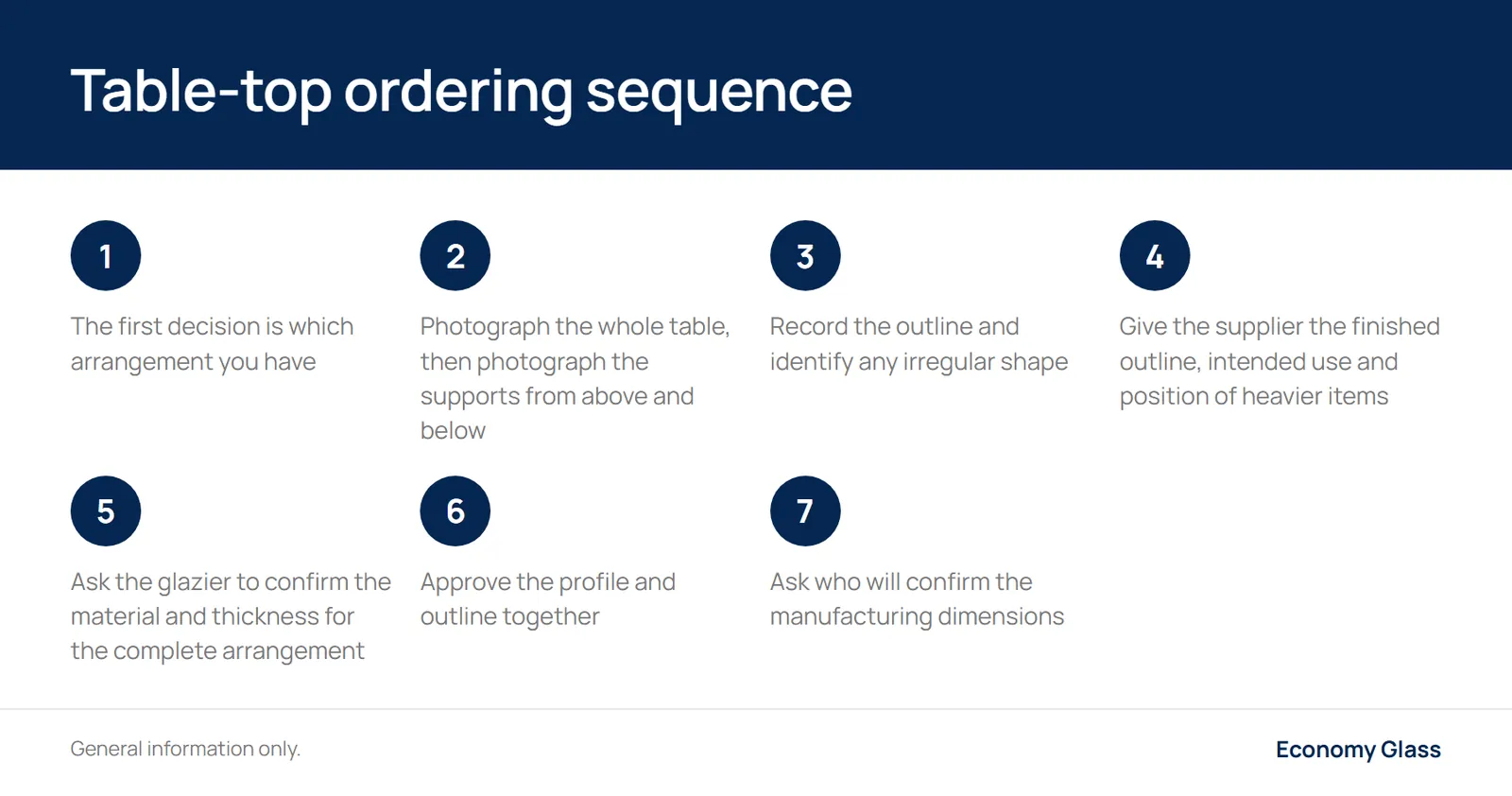
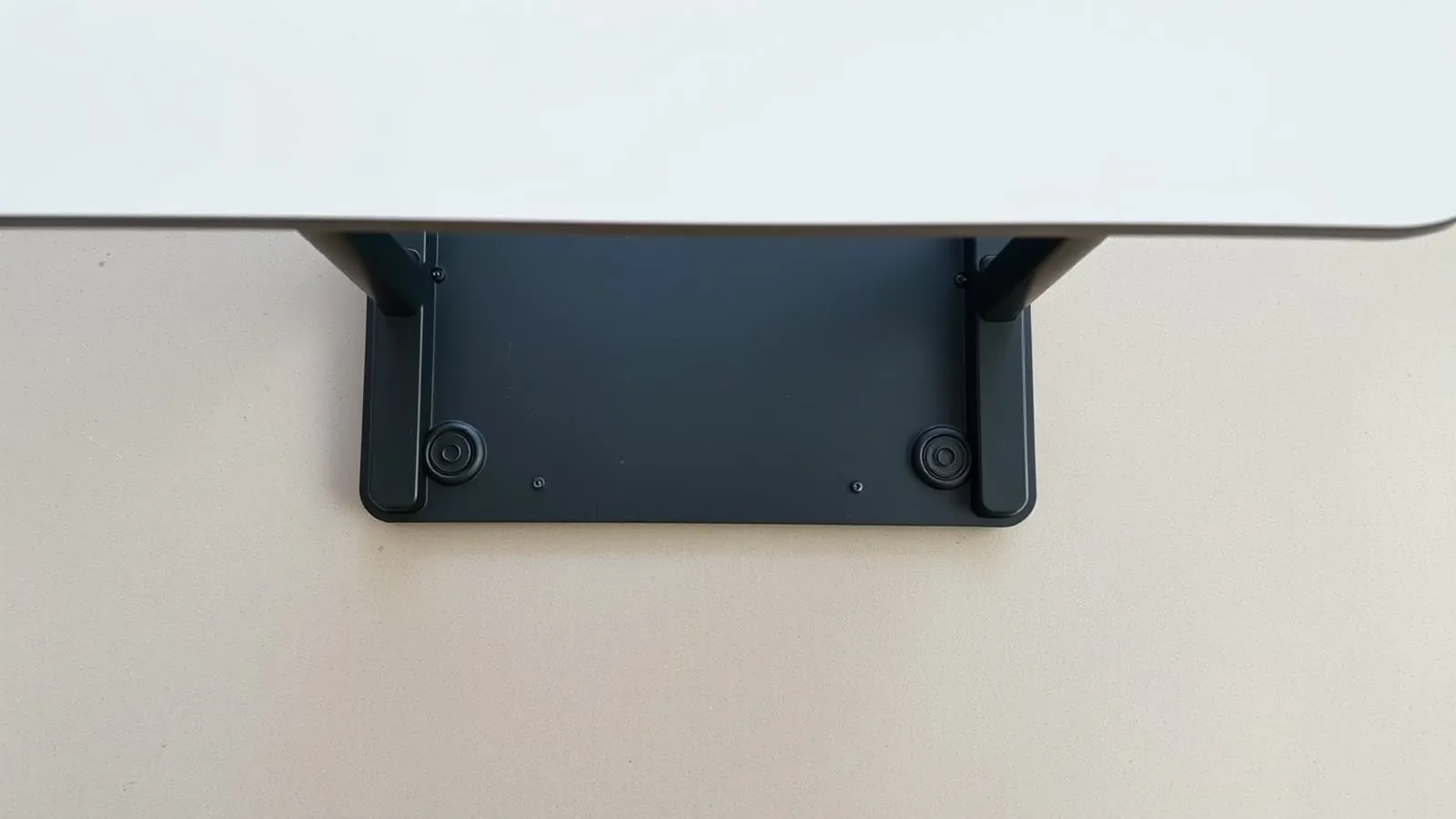
Photograph the whole table, then photograph the supports from above and below. Mark where the glass actually rests. The outside dimensions of the base do not necessarily describe its contact with the top, particularly if the supporting pads sit inward from the frame.
For a protective overlay, explain what lies underneath and what you want to protect it from. For a top over an open base, show the unsupported areas and any overhang. Tell the glazier if the base rocks or has loose joints. Glass selection should not be used to conceal a furniture repair that is still needed.
| Table arrangement | Information to provide |
|---|---|
| Glass over an existing top | Underlying surface, outline and proposed separation details |
| Glass over an open frame | Actual contact points, unsupported areas and edge projection |
| Replacement for broken glass | Base condition, retained fittings and what happened to the old top |
The same starting point applies to a shelf: describe what supports it before choosing the pane. The companion glass shelf guide, Glass shelf guide: thickness, edges, fixings and care, explains how to prepare that support and load brief.

Ask for a thickness recommendation with conditions
Give the supplier the finished outline, intended use and position of heavier items. A decorative console, a desk carrying equipment and a dining table should each be described in its own terms. Do not order simply by asking for “normal table glass”.
Ask the glazier to confirm the material and thickness for the complete arrangement. Request any restrictions on loads, overhang or support positions. If a recommendation depends on replacing support pads or changing the base, include that work in the agreed specification.
Keep glass type separate from thickness. Economy Glass’s background on safety glass explains the distinction between toughened and laminated options. It provides context for the discussion, rather than a specification for your furniture. Have the proposed application assessed before ordering.
For a replacement, record anything known about the original top without treating it as proof of suitability. The base may have changed or the old glass may never have been correctly specified. Tell the supplier if the break followed an impact, movement or another event you can describe.
Choose an edge for the room and the way people use it
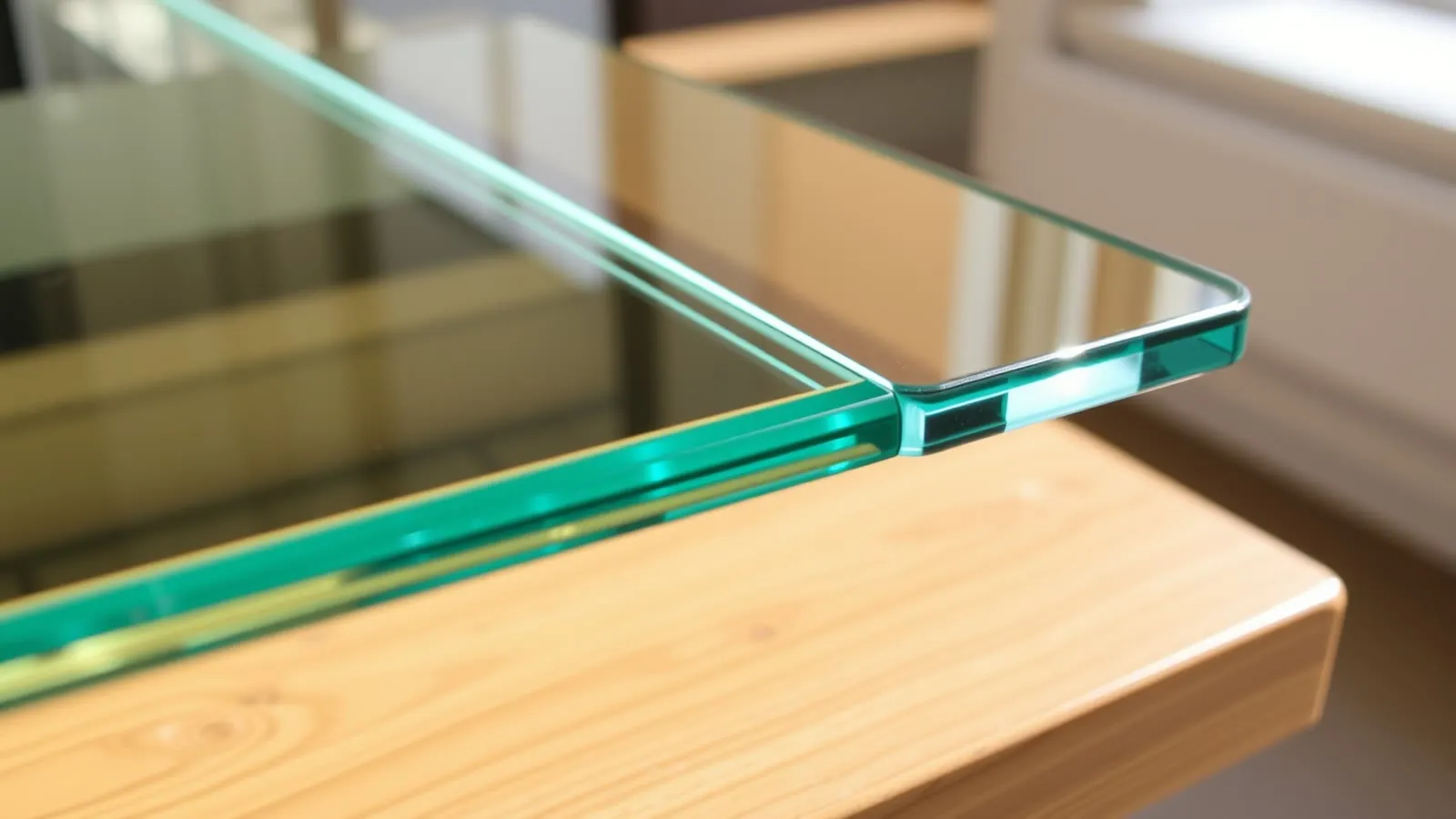
An exposed edge needs an agreed finish. Economy Glass’s existing table-top article describes polished and bevelled finishes. Ask to see the proposed profile so you can judge it against the table base and surrounding furniture.
A flat polished edge gives a different outline from a bevel. Look at a sample from seated height as well as standing height. If a bevel is proposed, confirm how it will appear around a curve or shaped corner. Approve the profile and outline together.
Corner shape deserves a separate instruction. Show the walking routes around the table and how chairs tuck beneath it. A polished edge does not specify a rounded corner. Ask the supplier to show the proposed corner detail on a drawing or template instead of relying on descriptions such as “soft corners”.
If a mirror is part of the same room, compare the finishes visually without assuming the fixing requirements are shared. The companion custom mirror guide, Custom mirror: sizing, edges and fixing before you order, covers mirror edges and wall fixing decisions.
Measure the outline and the support positions
Start with a labelled sketch showing the top, base and intended front. Record the outline and identify any irregular shape. Photograph the measurements in context, but ask who will confirm the manufacturing dimensions. A tape held against an old piece is useful evidence, not an automatic approval to reproduce it.
For a shaped top, ask whether a template is required and what it should represent. An outline of the base is different from the finished glass outline if an overhang is intended. Confirm which one the supplier needs before making the template.
Also show any holes, fittings or other features that affect manufacture. Ask when those details need to be finalised. If you later change the base or move the supports, send the revised arrangement back for assessment rather than keeping the earlier glass recommendation.
For example, a replacement top might be planned slightly larger to make room for another place setting. Show that change on the sketch instead of describing it only as a replacement. Ask the supplier to reassess the projection beyond the base. Also check chair movement and the walking space around the proposed outline. The new dimensions need to work both with the support arrangement and with the way people move through the room.
Check the base before accepting the replacement
With the old top safely removed, have the base and its fittings inspected. Explain any wobble, missing pad or uneven contact you noticed before the breakage. Do not add improvised packing or tighten unfamiliar fittings to make the new glass sit differently from the approved arrangement.
Ask the installer how the top will be positioned and retained, and what checks should be made at handover. If the base itself needs repair, resolve that before the glass is installed. Keep the specification with photographs of the completed arrangement so later furniture work does not accidentally alter it.
If the table extends, folds or has moving parts, demonstrate that movement during the assessment. Photograph it in each intended position and explain whether the glass will stay in place or be removed when the furniture changes configuration. Ask for instructions for that exact arrangement. Do not assume approval for the closed table covers an extended position, or that the top can be lifted using whatever edge happens to be easiest to reach. Record who will handle any removable piece and where it will be stored.
For an initial discussion, the Economy Glass team online can be given the base photographs and a description of the intended top. Ask which further details are needed rather than committing to dimensions before the support arrangement is understood.
Build care into the handover
Ask for cleaning instructions for the glass and any pads, coatings or adjacent materials. Clear the surface before cleaning instead of dragging objects across it. Use the approved method and keep the edge accessible without leaning your weight on the table.
Ask how to handle hot items, move the table and respond if the top shifts. Do not assume that a familiar household habit suits every glass and furniture combination. If a chip, crack or unexpected movement appears, keep people away and seek advice about safe unloading and removal.
Keep the original order description. It is useful if you need another replacement or want to reuse the top with a different base. Reuse needs its own assessment because the original recommendation was made for the original supports.
Glass table top FAQs
Can I select thickness from the width alone?
No. Provide the outline, support positions, overhang and intended use. Ask for a recommendation covering the glass and base together, with any conditions recorded.
Should replacement glass copy the old top exactly?
Have the original arrangement checked first. Record the old dimensions if known, but also disclose damaged fittings, movement and any changes to the base.
Does a polished edge mean rounded corners?
No. Confirm the corner shape separately and approve it on the drawing or template. Edge finish and overall outline are separate decisions.
What is the most useful first photograph?
Send the whole table, then close-ups of its actual glass supports. Include a labelled sketch showing the proposed outline and any projection beyond the base.
To discuss a new or replacement top, ask about glass for your table base with photographs and your intended use.